Best Fruit Bushes for Container Gardening: 10 Dwarf Shrubs for Massive Patio Harvests (2026 Guide)
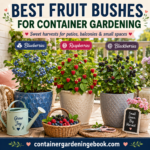
If you have ever stared at a dead houseplant with a toxic cocktail of guilt, confusion, and defeat, welcome home. You are exactly where you need to be.
Disclosure: This post contains affiliate links. If you use these links to buy something, I may earn a commission at no extra cost to you. This helps support the blog and keeps the garden growing!
The biggest myth in the gardening world is that you need a genetic “green thumb,” ancestral farming wisdom, or acres of rolling open land to grow your own food. Traditional gardening advice is broken—it is packed with overwhelming, archaic jargon about soil tilling, tractor attachments, macro-acreage management, and complex crop rotation schedules. But when you are living in an apartment, a condo, or a home with a limited patio, balcony, or compact suburban yard, absolutely none of that applies to you.
Welcome to the patio mini-orchard.
If you want to grow fresh food in small spaces, tracking down the best fruit bushes for container gardening instead of traditional, temperamental, annual crops is a brilliant, low-stress hack for beginners. Perennial, woody shrubs live for years, develop real structural branches, and turn your limited outdoor square footage into a permanent, highly rewarding edible oasis. Best of all, you control the entire ecosystem. If the soil chemistry drifts, you can fix it in a single scoop. If the sun moves seasonally, you can literally pick up your garden and move it with you.
If you are ready to invest in a low-maintenance, high-yield edible landscape that delivers fresh, organic fruit year after year, this comprehensive masterclass is your ultimate blueprint. For more small-space growing strategies and urban homesteading guides, make sure to bookmark the comprehensive Container Gardening eBook Blog.
Quick Picks: Best Fruit Bushes for Container Gardening by Category
Need to make a fast decision based on your specific patio environment or unique space limitations? Here are the gold-medal winners when selecting the best fruit bushes for container gardening:
-
Best Overall Fruit Bush: Dwarf Blueberry (Sunshine Blue)
-
Best Fruit Bush for Shade: Dessert Gooseberry (Pixwell)
-
Best Fruit Bush for Heat: Dwarf Pomegranate (Nana)
-
Best for Complete Beginners: Dwarf Mulberry (Dwarf Everbearing)
-
Fastest Seasonal Harvest: Thornless Raspberry (Raspberry Shortcake®)
The Perennial Advantage: Why Bushes Beat Annuals
When most beginners think about growing food in pots, they immediately default to annual vegetables like standard tomatoes, zucchini, or cucumbers. While fun, annuals possess a massive flaw for the space-constrained grower: they are frantic, short-lived speed-runners. They germinate, grow into massive tangled monsters in two months, exhaust their soil nutrients, fruit once, and then die completely when the first frost hits. Every spring, you have to shell out more money and start the chaotic cycle all over again.
Shifting your focus to the best fruit bushes for container gardening over annual crops offers a massive long-term structural advantage:
[Year 1: Root Establishment & First Sweets] ──►
[Year 2: Branching & Heavy Yields] ──►
[Year 3+: Permanent Patio Harvest Canopy]
A fruit bush is a long-term investment. During its first year, it settles its root architecture into your pot. By year two and three, it thickens its trunk, develops predictable fruiting spurs, and yields an exponentially larger harvest every single summer. Because they are structurally resilient, they can withstand wind storms, temporary underwatering, and freezing winters that would instantly liquefy a tomato plant.
Furthermore, modern horticulturists have spent decades engineering “dwarf patio cultivars.” These are simply selected variations of classic berry bushes that naturally stay compact, grow in a rounded, ornamental shape, and channel all their energy into producing full-sized fruit instead of massive, unmanageable branches.
Comparison Chart of the Best Fruit Bushes for Container Gardening
When evaluating the best fruit bushes for container gardening, comparing space, sunlight, and yield levels is critical to matching the right shrub to your specific microclimate.
| Fruit Shrub | Minimum Pot Size | Sunlight Needs | Difficulty Level | Yield Level | Best Compact Varieties |
| Blueberry | 10 Gallons | Full Sun (6+ hours) | Low | High | Sunshine Blue, Jelly Bean |
| Raspberry | 12 Inches / 7 Gal | Full Sun (6+ hours) | Low | High | Raspberry Shortcake® |
| Blackberry | 12–15 Gallons | Full Sun (6+ hours) | Low | High | Baby Cakes® |
| Fig | 15 Gallons | Full Sun (6+ hours) | Low | Medium | Fignomenal®, Little Miss Figgy |
| Pomegranate | 5–10 Gallons | Full Sun (6+ hours) | Low | Medium | Nana |
| Red Currant | 10 Gallons | Partial to Full Sun | Medium | High | Rovada |
| Gooseberry | 10 Gallons | Morning Sun / Afternoon Shade | Medium | Medium | Pixwell |
| Mulberry | 15 Gallons | Full Sun (6+ hours) | Low | High | Dwarf Everbearing |
| Honeyberry | 10 Gallons | Full Sun (6+ hours) | Low | Medium | Yezberry® Solo |
| Calamondin Orange | 12–14 Inches | Full Sun (6+ hours) | Low | High | Dwarf Calamondin |
Deep Dive: The 10 Best Fruit Bushes for Container Gardening
To guarantee immediate success, skip the heartbreak of trying to sprout fruit bushes from seeds. Perennial shrubs take years to mature from seed, and they rarely grow “true to type.” Instead, source your plants from a reputable online specialty nursery like Perfect Plants. They ship high-quality, fully established, container-ready fruit shrubs directly to your front door, packed safely in specialized protective sleeves so they arrive healthy and ready to plant.
As you select from the best fruit bushes for container gardening, you will find that modern dwarf genetics make small-space harvesting incredibly rewarding.
1. Dwarf Blueberry (Sunshine Blue)
An elegant, multi-season showstopper with pink-tinged spring blossoms, an abundance of sweet summer berries, and brilliant burgundy autumn foliage. Most classic blueberry bushes require you to plant two different varieties side-by-side so they can cross-pollinate. Sunshine Blue completely smashes this barrier because it is entirely self-fertile—one single bush will happily pump out fruit completely solo. It naturally rounds itself out at a polite 3 feet tall and is highly tolerant of minor soil mistakes compared to more sensitive wild varieties.
2. Thornless Raspberry (Raspberry Shortcake®)
A lush, deep-green, compact shrub that looks exactly like an expensive ornamental landscape plant but secretly conceals hundreds of large, sugary-sweet raspberries. If you have ever encountered wild raspberries, you know they are dangerous, thorny briars that aggressively send out underground runners to colonize your entire yard. Raspberry Shortcake is a total genetic breakthrough: it is 100% thornless (perfectly safe for kids and curious pets) and grows in a tidy, upright, self-supporting mound that tops out at 3 feet. It actually thrives on the root restriction provided by a pot.
3. Dwarf Blackberry (Baby Cakes®)
A sturdy, fireworks-burst of a bush that delivers plump, glossy, deeply sweet blackberries in mid-to-late summer. Similar to its cousin the raspberry, this dwarf blackberry completely eliminates the need for complex staking, wire trellises, or thick leather gardening gloves. It is entirely thornless and features an upright habit. It fruits on what growers call “primocanes” and “floricanes,” meaning you will often get a secondary breakthrough crop of berries in the autumn on the very same bush.
4. Multi-Stemmed Dwarf Fig (Fignomenal®)
Big, bold, deeply lobed Mediterranean leaves that emit a rich, earthy fragrance and look like a high-end interior design layout, paired with honey-sweet, jammy figs. While field figs quickly grow into massive 20-foot trees, the Fignomenal cultivar naturally grows as a dense, low-branching bush that tops out at a minuscule 2.5 to 3 feet. It is an absolute powerhouse in a container. In fact, keeping its roots snugly confined inside a pot throws the plant into a state of productive stress, which tricks its hormones into producing massive waves of fruit instead of wasting energy on wood and leaves.
5. Dwarf Pomegranate (Nana)
Delicate, fine-textured, glossy foliage accented by brilliant neon-orange trumpet flowers that slowly transform into perfectly round, ruby-red, baseball-sized pomegranates. If your patio or balcony faces directly south and gets absolutely blasted by intense, baking, desert-like summer heat that kills normal plants, this is your holy grail shrub. The Nana pomegranate is exceptionally drought-tolerant once established and thrives in hot, sunny, low-humidity microclimates where other berry bushes would instantly sunburn.
6. Red Currant (Rovada)
An upright, architectural, woody shrub that hangs heavy with long, cascading strings of translucent, ruby-red berries that look like expensive culinary garnishes. Currants are highly efficient structural plants that naturally maintain a compact, vase-like shape without constant pruning intervention. They are also incredibly cold-hardy, capable of surviving deep, sub-zero winter freezes inside their containers without blinking, making them ideal for northern or mountainous climates.
7. Dessert Gooseberry (Pixwell)
A dense, highly productive, sprawling little bush that yields unique, pale-green to pink-blushed berries with a complex, tangy-sweet flavor profile reminiscent of a premium grape. If your apartment balcony or townhome patio is partially shaded by overhanging trees, neighboring buildings, or structural awnings, most fruit bushes will fail to thrive. The gooseberry is your magnificent loophole. It is one of the very few fruit shrubs that actively prefers afternoon shade, making it the undisputed king of low-light, north- or east-facing urban spaces.
8. Dwarf Mulberry (Dwarf Everbearing)
A rugged, resilient, thick-stemmed shrub that continuously pumps out delicious black, mulberry fruits from early spring all the way until the first frost of winter. While wild mulberry trees are notorious for growing 50 feet tall and destroying sidewalks, this specialized dwarf cultivar can easily be kept pruned to a tight, manageable 3-foot bush. It fruits on entirely new wood growth, which means it is completely beginner-proof: even if you butcher your seasonal pruning or accidentally cut back the wrong branches, the bush will still reward you with fruit.
9. Self-Fertile Honeyberry / Haskap (Yezberry® Solo)
A highly symmetrical, neat, deciduous shrub that produces fascinating, elongated blue berries that taste like a complex culinary fusion of a blueberry, blackberry, and raspberry. Honeyberries are structurally armored against brutal weather—their open blossoms can survive a literal spring blizzard down to 19°F without dropping. While traditional honeyberries require you to plant two distinct varieties to cross-pollinate, the Yezberry Solo variety breaks the mold, setting a massive crop of fruit entirely on its own.
10. Dwarf Calamondin Orange
A gorgeous, glossy-leaved evergreen shrub densely dotted with snow-white flowers that smell like an expensive perfume, transitioning into small, bright orange, sour-sweet citrus fruits. While technically categorized as a citrus, the Calamondin naturally grows as a dense, low-branching shrub rather than a single-trunk tree. It is widely considered the single most forgiving, pest-resistant, and easy-to-grow container citrus on Earth. It is a fantastic architectural accent piece that will happily transition to indoor living when the winter cold rolls in.
Premium Gear Guide: Investing in Your Patio Orchard
When you are working with limited real estate, cheap, low-grade gardening equipment is an expensive mistake. High-quality gear acts as a structural insurance policy, keeping your root zones safe from thermal shock, dehydration, and asphyxiation.
1. Advanced Container Architecture
Your container choice dictates your daily workload:
-
Self-Watering Reservoirs: For heavy-feeding, water-loving perennial bushes like raspberries, blackberries, and dwarf citrus, self-watering pots are unmatched for convenience. They separate the soil from a sub-surface water chamber, allowing the plant’s roots to slowly wick up moisture as needed. This prevents the constant moisture spikes and dips that cause fruit skins to split.
-
Breathable Fabric Grow Bags: For blueberries, honeyberries, and gooseberries, breathable fabric bags (like Smart Pots) are spectacular. Plastic pots can trap intense ambient heat, cooking the roots of cold-climate berries. Fabric allows heat to dissipate out of the sidewalls while naturally “air-pruning” the root tips, which forces the bush to create a dense, highly efficient mat of fibrous feeder roots instead of circling the pot into a tangled knot.
-
The Ultimate Vertical Integration: If you are trying to squeeze an entire kitchen garden onto a 5×5 balcony, look into a comprehensive system like the Garden Tower. This vertical footprint allows you to grow up to 50 individual companion herbs, leafy greens, and pollinator-attracting flowers in a single revolving tower, freeing up your primary patio floor space for your large, dedicated fruit bush containers.
2. Soil Mechanics: Why Dirt is Dangerous
Never, under any circumstances, scoop up soil from a backyard ground plot and put it into a container. Getting the soil mix right is mandatory when cultivating the best fruit bushes for container gardening. Ground dirt contains fine clay particles that, when trapped inside the rigid walls of a pot, pack down under the weight of watering until they turn into an oxygen-deprived, concrete-like brick. Without oxygen, your fruit bush roots will drown, rot, and die within days.
Perennial fruit bushes require an ultra-premium, highly porous, sustainable potting medium that maintains its internal structure for years without compacting. This is why experienced container growers turn to biochar-infused media like Rosy Soil. Their sustainable, peat-free potting mixes utilize premium biochar, which acts like a microscopic sponge to lock onto nutrients and beneficial microbes while allowing excess water to completely drain out of the pot instantly.
🛠️ Interactive Tool: The Best Fruit Bushes for Container Gardening Soil Blueprint
Different fruit bushes have wildly different soil texture, aeration, and pH requirements. To eliminate all beginner guesswork, copy and run this interactive
Potting Mix Finder
  Open-Center "Vase" Shape (Aggressive Pruning)

             \   /       <-- Keep center open for sunlight & airflow
              \ /
               |         <-- Balanced root-to-shoot ratio
           _________
          [         ]    <-- Elevated container (Pot feet)
           =========
Container Setup Blueprint for the Best Fruit Bushes for Container Gardening
Setting up your patio mini-orchard takes less than 20 minutes per bush. Follow this precise installation framework to guarantee your container shrubs thrive:
-
Pre-Hydrate the Soil Matrix: Open your potting soil bag and add water directly into the bag, mixing it around with your hands until the entire batch feels like a wrung-out sponge. If you dump bone-dry soil into a pot and plant into it, the dry medium will actively suck moisture out of your new plant’s root ball, causing immediate transplant shock.
-
The Golden Rule of Planting Depth: Fill the bottom of your container with your pre-hydrated mix until the top of the plant’s root ball sits roughly two inches below the rim of the pot. Gently slide your Perfect Plants bush out of its plastic nursery container, softly massage the outer roots to loosen them up, and place it in the center.
Crucial Warning: Never bury a fruit bush deeper than it was sitting in its original nursery sleeve. The line where the roots meet the main stem (called the root crown) must remain perfectly flush with the soil surface. Burying the crown cuts off oxygen and introduces fatal stem rot.
-
Elevate for Drainage and Sowing Companions: Pack the soil gently around the sides of the root ball—firm enough to eliminate large air pockets, but loose enough to maintain fluffy porosity. Immediately set your container onto pot feet, bricks, or rolling caddies. Elevating the pot prevents surface tension from trapping water against the bottom drainage holes, which can cause mud to back up inside the pot.
-
Incorporate Companions: To maximize your space, sprinkle high-quality companion flower seeds from Botanical Interests (such as dwarf French marigolds, sweet alyssum, or nasturtiums) directly onto the surface soil around the base of the bush. These flowers will carpet the pot, serve as a beautiful living mulch to cool the soil, and attract vital pollinators straight to your bush when it is time to set fruit.
Beginner Mistakes to Avoid with the Best Fruit Bushes for Container Gardening
Keep your investments safe by dodging these five incredibly common rookie errors that kill container-bound woody perennials:
-
Error 1: Using In-Ground Dirt: Filling containers with standard ground dirt or cheap topsoil, which quickly compacts into an oxygen-deprived brick and rots the root system.
-
Error 2: Calendar-Based Overwatering: Pouring water into the pot on a strict calendar schedule instead of performing a physical finger test or using a moisture meter to check actual root conditions.
-
Error 3: Drowning the Crown: Planting the bush too deeply and covering the root crown, which cuts off oxygen and introduces fatal fungal rot at the soil level.
-
Error 4: Late-Season Nitrogen Feeding: Applying high-nitrogen fertilizer late into the autumn, forcing vulnerable new leaf growth that will freeze and turn black during the first winter frost.
-
Error 5: Absolute Zero Winter Neglect: Leaving containers completely unprotected during sub-zero winters, allowing freezing air to attack the elevated root ball from all 360 degrees and freeze it solid.
The Seasonal Care Calendar for the Best Fruit Bushes for Container Gardening
Managing a potted mini-orchard is an easy, ongoing seasonal rhythm. Here is what your annual care track looks like:
Spring: The Great Awakening
Uncover your insulated containers or move your sheltered bushes back into full sun. Top-dress the soil surface with a fresh layer of organic compost or worm castings, and begin your bi-weekly liquid organic feeding routine as new leaves emerge.
Summer: Peak Yields & Hydration Management
Monitor soil moisture levels daily during intense heat waves. Protect root zones from cooking on hot concrete by elevating the pots, and harvest your ripe berries early in the morning when sugar levels are peaked.
Fall: Cold Hardening & Dormancy
Stop all fertilization completely by late August. Allow the bushes to experience the first few light, non-destructive autumn frosts outdoors, which naturally triggers their internal hormones to enter winter dormancy.
Winter: Precision Pruning & Insulation
Prune your dormant bushes into an open-center shape to maximize future airflow. Move vulnerable pots into an unheated garage, shed, or basement maintained between 30°F and 40°F, keeping the soil barely damp. If left outdoors, wrap the exterior walls of the pots in multiple layers of bubble wrap or horticultural fleece.
Frequently Asked Questions About the Best Fruit Bushes for Container Gardening
What are the absolute best fruit bushes for container gardening if I have a small balcony?
The absolute best selections are dwarf blueberries like Sunshine Blue and thornless raspberries like Raspberry Shortcake. These specific varieties are genetically engineered to maintain a compact, three-foot profile while producing maximum yields without needing massive root space.
Can you grow fruit bushes in pots permanently?
Yes. Dwarf and compact fruit bush varieties are genetically engineered to live their entire lives happily inside containers, provided they are given premium well-draining soil and root-pruned or up-sized every three to four years.
How often do you water fruit bushes in containers?
Water whenever the top two inches of the potting mix feel dry to the touch. This can mean watering daily during peak summer heat waves, or dropping down to once a month while the bush is dormant in the winter.
Do container fruit bushes need protection in winter?
Yes. Because container root zones are elevated above the ground, they lack the natural thermal insulation of the earth and must be wrapped in protective layers or moved into an unheated shelter during freezing weather.
What is the best soil for container fruit bushes?
The best medium is a loose, highly porous, soil-less potting mix rich in organic matter and aerated with perlite, pumice, or fine pine bark. Avoid heavy topsoil at all costs.
Real-World Expert Tips for the Best Fruit Bushes for Container Gardening
-
Chasing the Sun: Through years of real-world testing on limited balconies, we have discovered that moving your pots even two or three feet to chase changing seasonal sun patterns can double your annual berry yield.
-
The Alkaline Trap: Keep a close eye on your water source. If your city tap water is highly alkaline, it will slowly raise the soil pH over time, causing blueberry leaves to turn yellow with green veins (a condition known as iron chlorosis). Always collect and use pure rainwater for your blueberries to lock in the acidic environment they need to absorb nutrition.
Leave a Reply