How to Grow Pansies in Containers: The Ultimate Patio Gardening Guide for Beginners
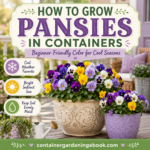
How to Grow Pansies in Containers, even if you have ever stared mournfully at the skeletal remains of a dead succulent, a brown-edged fern, or a crispy fiddle-leaf fig and declared yourself a certified plant killer, it is time for a complete mental reset.
Disclosure: This post contains affiliate links. If you use these links to buy something, I may earn a commission at no extra cost to you. This helps support the blog and keeps the garden growing!
The truth is, you do not possess a black thumb. You simply started with the wrong plants in the wrong environment. Indoor houseplants are notorious divas, requiring a delicate, exhausting balance of artificial humidity, ambient lighting, and hyper-exact watering schedules that can easily overwhelm anyone who is just trying to bring a little bit of green life into their home.
If you live in an apartment with a small balcony, a home with a concrete patio, a suburban deck, or just a sunny front doorstep, learning how to grow pansies in containers is your ultimate, fail-proof gateway to gardening success.
Pansies (Viola × wittrockiana) and their close cousins, violas (Viola cornuta), are not fussy, high-maintenance tropical imports. They are tough-as-nails, cold-loving, colorful little powerhouses that are practically engineered for small-space container gardening. They are highly forgiving, incredibly inexpensive to start, and pack a massive visual punch.
This comprehensive, step-by-step master guide will show you exactly how to select, plant, grow, and maintain vibrant pansy pots, transforming you from a hesitant houseplant undertaker into a confident, successful container gardener. For more step-by-step small-space growing guides, troubleshooting tips, and seasonal plant inspiration, be sure to explore our full Container Gardening Blog.
Quick Start Pansy Container Care Summary
Before diving into the detailed step-by-step instructions, here is an at-a-glance baseline overview of what it takes to cultivate high-performance pansies on your patio:
-
Difficulty Level: Very Easy (Perfect for absolute beginners)
-
Ideal Container Size: 10 to 12 inches minimum diameter with drainage holes
-
Best Soil Type: Well-draining, nutrient-rich, slightly acidic potting mix (pH 5.5 to 5.8)
-
Watering Frequency: Only when the top inch of soil feels completely dry to the touch
-
Sunlight Requirements: 6 or more hours of direct sunlight daily (prefers morning sun)
-
Thriving Temperature Range: 40°F to 70°F (Can easily survive overnight freezes down to 26°F)
Why Learning How to Grow Pansies in Containers Beats In-Ground Gardening
When you are a complete beginner, planting flowers directly into the ground can feel like a high-stakes gamble. In-ground gardening forces you to contend with unpredictable native soil conditions, hidden rocks, thick tree roots, aggressive weeds, and burrowing pests. Mastering how to grow pansies in containers completely eliminates these obstacles, giving you an unfair advantage.
Total Control Over the Soil Environment
When you plant in the ground, you are stuck with whatever dirt nature left behind—whether that is sticky, waterlogged clay or nutrient-poor, dry sand. Amending ground soil takes years of physical labor. Pots completely bypass this problem. By choosing a high-quality potting medium, you provide your flowers with a perfect, nutrient-dense, perfectly aerated home from day one.
Unmatched Environmental Mobility
Weather can be erratic, especially during the seasonal transitions of spring and autumn. If your apartment balcony experiences an intense, unseasonal heat wave, a torrential downpour, or a harsh windstorm, you can simply lift your containers and move them into a protected, shaded area. If you plant in the ground, your flowers are stuck fighting the elements, often leading to broken stems and ruined blooms.
Built-In Defense Against Pests and Diseases
Ground-dwelling critters like slugs, cutworms, and snails view low-growing flowers as an all-you-can-eat buffet. These pests have a much harder time climbing up the smooth, vertical walls of a patio planter, a window box, or a hanging basket. Furthermore, because container soil is fresh and contained, it is free from the ancient soil-borne fungal diseases that often plague long-established garden beds. Container gardening requires virtually no backbreaking weeding or heavy digging, making the entire hobby accessible, comfortable, and purely fun.
The Dynamic Duo: Why Mixing Pansies and Violas is a Pro-Level Hack
When browsing for your patio plants online or at a local nursery, you will see the terms “Pansy” and “Viola” used side-by-side. While they are close relatives in the botanical world, mixing them together in the same pot is a secret design trick used by professional horticulturists to create breathtaking, multi-layered displays.
Pansies: The Giant Headline Performers
Pansies, known scientifically as Viola × wittrockiana, are famous for their giant, dramatic flowers that can stretch anywhere from two to four inches across. They often feature dark, highly contrasting center markings called “faces” or heavily ruffled edges. Because of their size, they act as the bold, structural centerpiece of your container arrangement.
Violas: The Indestructible Flower Carpets
Violas, or Viola cornuta, are smaller, producing delicate, nickel-sized blossoms. However, what they lack in individual size, they make up for in sheer volume. A single viola plant produces a non-stop, dense canopy of flowers that smothers the soil in color. Violas are also exceptionally weather-resistant, bouncing back instantly from heavy downpours that might temporarily flatten a large pansy petal.
When you plant them together, the violas act as a thick, continuous carpet of color that weaves around the base of the larger, dramatic pansy blooms. This combination fills out your container perfectly, leaving no empty gaps and ensuring your patio looks lush and full from every angle. This dual approach maximizes the visual return on your investment in viola container gardening.
The Science of Cool-Season Flowers Made Simple
To grow healthy plants, you do not need to be a scientist, but understanding a few basic natural principles will give you the confidence of an expert. Pansies and violas operate on a unique biological playbook that explains why they behave so differently from traditional summer flowers.
The Secret Behind Their Cold Tolerance
Most flowers turn to mush when temperatures drop because the water inside their plant cells freezes, expands, and physically ruptures the cell walls. Pansies have a brilliant survival mechanism. As winter approaches, they naturally accumulate high concentrations of soluble sugars and specialized antioxidant pigments called anthocyanins within their cells. This process acts as a natural antifreeze, lowering the freezing point of the liquid inside the plant. This is why a frozen, completely droopy pansy can thaw out under the morning sun and snap right back to life without any cellular damage.
The Critical pH Boundary
Plants drink their food through their roots, but they can only do this if the soil chemistry is just right. Pansies are strict acid-loving plants that require a soil pH precisely between 5.5 and 5.8. If your soil becomes too alkaline (which often happens if you water with hard city tap water), an internal chemical blockade occurs. This prevents the roots from absorbing vital micronutrients like iron and boron. This deficiency causes the leaves to turn yellow and pucker, and can even cause new flower buds to abort before opening.
How Root Systems Thrive on Wet-to-Dry Cycles
It is a common myth that plant roots need to be constantly wet. In reality, roots need oxygen just as much as they need water. When you allow your container soil to experience a distinct “dry-down” period between waterings, it pulls fresh oxygen deep into the pot. This environmental cue forces the young, fibrous roots to grow rapidly downward in search of moisture, building a massive, resilient root ball that can withstand both freezing winter winds and sudden summer heat snaps.
The Hormonal Science of Deadheading
A plant’s primary goal in life is to reproduce by creating seeds. Once a pansy flower is pollinated and begins to fade, it releases specific hormones that direct the plant’s energy away from producing new blossoms and into swelling up a green seed pod. When you physically remove that dead flower stem, you interrupt this hormone signal. The plant immediately pivots, sending a message to the roots to pump out multiple new flower buds to replace the one that was lost.
The Essential Shopping List for Sowing and Planting Pansies in Pots
To set yourself up for absolute success, skip the low-grade, generic gardening supplies found in hardware clearance aisles. Investing in high-quality foundations is a critical step in learning how to grow pansies in containers because it guarantees a rewarding, stress-free experience. Here is the exact gear you need for planting pansies in pots:
1. The Right Container
Select a container that balances beauty with function, ensuring it has a diameter of at least 10 to 12 inches to hold enough soil to insulate the roots. The absolute golden rule is that the pot must have drainage holes at the bottom.
-
For a premium selection of elegant, weather-resistant patio planters, check out the collection at Perfect Plants.
-
If you are looking for highly affordable plastic pots, classic clay terracotta options, or heavy-duty drainage saucers to protect your apartment flooring, Walmart has an extensive online inventory.
-
For those working with an extremely limited balcony footprint, the vertical system from Garden Tower lets you grow up to 50 plants vertically in just four square feet of space.
2. The Plants
As a beginner, bypass the seed packets for your main display and buy young live plants, often called “starts” or “plugs.” You can order healthy, vigorously grown live plants directly to your door from Perfect Plants. When selecting your plants, look for stocky, bright green specimens with lots of tightly closed buds rather than plants that are already fully bloomed. If you eventually want to experiment with rare, historical heirloom color palettes on your windowsill, you can find incredible specialty seeds at Botanical Interests.
3. The Potting Soil
Never use generic backyard dirt, topsoil, or garden soil in a container. It is far too dense, packs down like concrete, and will drown your root systems. Your pansies require a lightweight, fluffy potting medium designed specifically for optimal drainage and root aeration. You can easily blend your own custom master soil recipe using our formulation guide below.
If you want to skip the mess of mixing separate components, buy a bag of Rosy Soil. This sustainable, premium potting mix is infused with natural biochar, which perfectly mimics the aeration, structure, and ideal drainage that pansies need straight out of the bag, without relying on non-renewable peat moss.
The Custom Potting Mix Recipe Finder
If you choose to mix your own custom potting soil at home, use these exact ingredient ratios to create the ideal, slightly acidic environment for your pansies and violas:
Type in any plant, tree, or cactus to generate its exact custom substrate recipe.
Active Selection: Pansies & Violas (Viola spp.)
Potting Mix Finder
-
Peat Moss or Coconut Coir (60%): This material acts as the moisture reservoir for your container. It holds onto water effectively while naturally maintaining the slightly acidic pH level that pansies require to keep their leaves vibrant and green. You can purchase convenient bricks or bags of this base online at Walmart.
-
Perlite or Coarse Sand (20%): These white volcanic popcorn pieces create vital oxygen pockets throughout the pot. They prevent the soil from compacting over time and ensure that excess water drains out of the bottom holes instantly, protecting the roots from rot. You can source premium perlite easily through Walmart.
-
Premium Compost or Worm Castings (20%): This provides a gentle, slow-release organic nutrient stream that feeds your plants over a long period. It fuels continuous bud production without the risk of chemically burning the delicate root systems. High-grade organic compost options can be ordered directly from Walmart.
Pre-Made Alternative: If you do not have the space to store three separate bags of raw ingredients on an apartment balcony, simply use a pre-blended, biochar-rich soil like Rosy Soil to achieve identical, high-performance results instantly. This is widely considered the best potting soil for pansies by busy urban gardeners.
Step-by-Step Guide: How to Grow Pansies in Containers Successfully
You do not need a yard, a shed, or any specialized tools to plant your container. Simply lay down an old towel or a trash bag on your kitchen counter or balcony floor, gather your materials, and follow these five clear steps:
Step 1: Prep the Pot and Create a Soil Barrier
Examine the bottom of your pot to ensure the drainage holes are completely open. If you are using a porous clay or terracotta pot from Walmart, wipe down the inside with a damp cloth to remove manufacturing dust. Place a standard paper coffee filter or a single paper towel flat over the drainage holes. This brilliant trick allows water to drain away freely while preventing your clean soil mix from washing out and staining your patio floor.
Step 2: Fill the Container Loosely
Pour your potting soil or Rosy Soil into the container until it sits roughly 1.5 to 2 inches below the top rim. Do not push down, press, or compact the soil with your hands. Keep it loose and airy. Leaving that clear 2-inch gap at the top is essential because it serves as a water basin, allowing water to pool and soak in during future irrigations rather than washing over the sides.
Step 3: Unbox and Gently Massage the Roots
Slide the young pansy plant out of its plastic nursery cell by gently squeezing the sides and pushing up from the bottom. Never pull or yank a plant out by its delicate green stems. Once free, look at the root ball. If the roots are tightly wound together in a solid white mass, use your fingertips to gently tickle and loosen the sides and bottom. This physical stimulation prompts the roots to immediately branch outward into their new soil.
Step 4: Position and Level the Plants
Dig a small hole in the loose soil just large enough to fit the root ball. Place the pansy inside. The absolute golden rule of planting depth is to ensure the top surface of the plant’s original root ball sits perfectly level with the surface of your new potting soil. If you bury the green stems too deeply, they will rot; if you leave the root ball exposed above the soil line, it will dry out and die. Space your plants 4 to 6 inches apart, filling in any remaining gaps with extra soil.
Step 5: Execute the Crucial First Soak
Slowly and thoroughly pour water over the entire soil surface until you see it running out of the drainage holes at the bottom of the container. This initial deep soaking is critical because it completely hydrates the growing medium and settles the loose soil firmly around the root network, removing any hidden air pockets.
Pro-Level Pansy Container Care: 3 Rules for Lasting Blooms
Once your containers are beautifully planted and positioned on your patio, routine maintenance is incredibly simple. You do not need to spend hours fussing over your plants. By mastering just three highly efficient, science-backed habits, you can master how to grow pansies in containers and keep them blooming vigorously for months on end.
1. Use the “Finger Test” for Watering
Overwatering is the number one cause of container plant failure. Beginners often follow an arbitrary calendar schedule (like watering every single morning), which waterlogs the soil and drowns the roots.
Instead, use the foolproof Finger Test: Stick your index finger into the potting mix up to the first knuckle.
-
If the soil feels cool, damp, and clings to your skin like a wrung-out sponge, leave it completely alone.
-
If the soil feels dry, dusty, and the pot feels lightweight when you lift it, give it a deep, thorough soak until water exits the bottom drainage holes.
2. Control the Nutrients (Keep Soil pH Low)
Pansies are strict acid-loving plants. To easily pull nutrients up through their roots, they require a soil pH between 5.5 and 5.8. If the soil becomes too alkaline (often caused by hard tap water), the plant experiences an internal nutritional block, resulting in yellowing foliage and stunted growth.
Using an elite biochar mix like Rosy Soil keeps your baseline environment perfectly balanced. To fuel the intense energy required to produce hundreds of flowers, feed your containers once every two weeks with a high-performance liquid flower fertilizer like Miracle-Gro Water Soluble Bloom Booster, available via Walmart.
3. The Physics of the “Pinch” (Deadheading)
If you let your pansies grow completely unmonitored, they will eventually stop flowering, become sparse, and die out early. This happens because of basic plant biology: once a flower petal fades, the plant shifts its hormonal energy into swelling up a green seed pod to reproduce.
To keep the color coming non-stop, you must perform a technique called deadheading: find the base of the faded stem where it meets the main crown of the plant and pinch it completely off with your fingernails. Removing the stem entirely stops the seed-bearing hormone signal, forcing the plant to pump its sugars back into new flower bud initiation.
The Seasonal Care Calendar for Growing Pansies in Pots
A huge part of understanding how to grow pansies in containers is recognizing that their care changes with the seasons. Use this simple seasonal roadmap to keep your containers thriving year-round:
Spring: The Peak Performance Phase
This is the golden hour for your pansies. They love the mild days and crisp nights of spring. Place your containers in a spot that receives at least 6 hours of direct, unfiltered sunlight. Feed them every two weeks with a high-performance flower fertilizer, and deadhead faded blooms diligently twice a week to fuel a non-stop explosion of color.
Summer: The Heat Transition Phase
As summer heat rolls in and temperatures consistently climb above 80°F, pansies will naturally begin to struggle. Move your containers to a location that receives bright morning sun but offers total afternoon shade. Increase your watering frequency, and use clean scissors to cut back any long, floppy, leggy stems by half to encourage a compact shape.
Fall: The Core Planting Phase
Autumn is the absolute best time to establish a long-lasting pansy container garden. Plant fresh starts from Perfect Plants into nutrient-rich Rosy Soil as the summer heat breaks. Focus on keeping the soil evenly moist to help the young roots establish a massive, deep network before the ground experiences its first hard freeze.
Winter: The Dormant Survival Phase
During the freezing winter months, your pansies will stop growing significantly and enter a protective dormancy. Move your pots out of areas that experience brutal, drying winter winds. You do not need to fertilize during this time. Only water your containers on sunny afternoons when the soil has temporarily thawed out.
The Five Most Common Beginner Mistakes and How to Fix Them
Even with the best intentions, it’s easy to fall into common beginner traps when navigating how to grow pansies in containers. Sidestep these five pitfalls to keep your display in peak condition:
-
Overwatering Out of Anxiety: Watering your pots on a rigid calendar schedule keeps the container soil constantly soggy, suffocating the root system. The Fix: Switch to the finger test. Never water your containers unless you have physically verified that the top inch of soil feels dry.
-
Planting Too Deeply: Shoving the plant deep into the dirt and burying the lower green leaves introduces fungal rot to the main stem. The Fix: Always keep the base of the plant flush with the soil line. If you misjudge the depth during planting, lift the plant up and add extra soil underneath the root ball.
-
Using the Wrong Winter Fertilizer: Feeding pansies with heavy chemical fertilizers containing urea or ammoniacal nitrogen during freezing weather leads to root toxicity. The Fix: During the winter, only feed your plants once a month using a nitrate-based liquid fertilizer, or rely on the natural, slow-release nutrients found in mixes like Rosy Soil.
-
Planting Too Early in the Late Summer Heat: Buying autumn pansies in August when air and soil temperatures are still scorching hot triggers instant root rot. The Fix: Wait to plant your fall displays until evening temperatures consistently drop into the 50s and local soil temperatures fall below 70°F.
-
Snapping Only the Dead Petals: Pinching off just the withered colorful petals while leaving the long, thin green stem attached causes the plant to waste energy building a seed pod. The Fix: Follow the fading flower stem all the way down to the very crown of the plant where it meets the main base, and snip or pinch the entire stem off cleanly.
Troubleshooting Matrix for Common Pansy & Viola Problems
If your plants are looking less than stellar, use this quick diagnostic guide to identify the issue and implement the expert-backed fix:
| Symptom | Potential Cause | Easy Fix |
| Stretched, floppy, leggy stems with very few flowers. | The container is sitting in too much deep shade, or the air temperature is too hot, causing the plant cells to abnormally elongate. | Move the pot to a sunnier location that receives morning sun, and snip the elongated stems back by half to force fresh, bushy growth from the base. |
| Lower leaves turning a bright, uniform yellow. | The soil is waterlogged from overwatering, or the plant has completely run out of nitrogen. | Verify that your drainage holes are not blocked, hold off on watering until the soil dries down, and apply a balanced liquid plant food to restore vital nutrients. |
| Leaves developing a distinct purple, bronze, or dark red tint. | A temporary phosphorus deficiency triggered by extreme winter cold, which slows down the plant’s internal circulation. | This is a natural protective reaction during cold snaps and will not kill your plants. If it persists as the weather warms up, apply a phosphorus-rich bloom booster fertilizer from Walmart. |
| Sticky clear residue or tiny, fine webbing on the green stems. | An infestation of sap-sucking garden pests like aphids or spider mites. | Spray the entire plant thoroughly, paying close attention to the undersides of the leaves, with an organic neem oil spray or insecticidal soap solution sourced from Walmart. |
Screenshot-Friendly Care Card Summary
Keep this quick reference guide handy on your phone for easy daily maintenance checks:
🌸 Pansy Container Gardening Quick Cheat Sheet
Light Needs: 6+ hours of direct sunlight daily. Partial afternoon shade in warm weather.
Watering Rule: Use the finger test. Water deeply only when the top inch of soil feels completely dry.
Soil Standard: Highly aerated, well-draining potting mix with a target pH of 5.5 to 5.8.
Ideal Temperature: Thrives between 40°F and 70°F. Easily survives frosts down to 26°F.
Feeding Schedule: Every two weeks in spring and fall with a water-soluble flower fertilizer. Once a month in winter.
Essential Trimming: Remove the entire flower stem down to the crown as soon as petals begin to wither.
Frequently Asked Questions
Can pansies grow in full sun?
Yes, pansies absolutely love full, direct sunlight during the cool, crisp days of spring and autumn. They need at least 6 hours of sun daily to produce large, vibrant flowers. If you are growing them during a warm transition month, providing morning sun and afternoon shade will keep them from wilting. This intentional care is the cornerstone of proper pansy container care.
How long do pansies last in pots?
When planted in the autumn, pansies can easily live through the winter and bloom beautifully straight into late spring, giving you 6 to 9 months of continuous color. When planted in the early spring, they will put on an intense show for 2 to 3 months until severe summer heat causes them to decline.
Can you grow pansies indoors as a houseplant?
Generally, no. Pansies are outdoor plants that require natural outdoor temperature shifts, direct UV sunlight, and fresh air circulation to function correctly. If kept inside a climate-controlled room, they will quickly stretch out, stop producing buds, and become highly susceptible to indoor pests.
Why are my pansy flowers shrinking over time?
If your new flowers are significantly smaller than the ones present when you first purchased the plant, your soil has run out of nutrients. Give your container a deep drink of water-soluble liquid fertilizer to instantly boost the size and color intensity of the next wave of blooms.
Start Your Patio Transformation Today
Container gardening is not an exclusive club reserved for people with massive backyards, expensive tools, or decades of experience. It is a simple, deeply rewarding hobby that allows you to cultivate a beautiful, joyful environment right where you live today.
By selecting high-quality containers from Perfect Plants, utilizing a premium biochar growing medium like Rosy Soil, and choosing vibrant varieties from Botanical Interests, you are setting yourself up for an effortless, guaranteed gardening win.
Don’t let past houseplant failures keep you from enjoying nature. Grab a pot, pick out your favorite pansy colors, and give your apartment balcony or patio doorstep the beautiful, vibrant upgrade it deserves today.
Leave a Reply