HOW TO GROW GERANIUMS IN CONTAINERS: THE ULTIMATE BEGINNER GUIDE TO LUSH NON-STOP BLOOMS
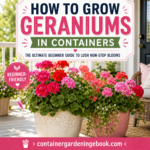
How to grow geraniums in containers, if you have ever felt the sting of losing a houseplant, or stood in a garden center feeling completely overwhelmed by confusing care labels, this guide is for you. Growing geraniums in containers is the single best way for apartment dwellers and small-space gardeners to guarantee a season full of vibrant, reliable color. These plants are the undisputed champions of the balcony world because they are tough, heat-resilient, and genetically designed to be perfectly happy in the limited root space of a pot. You do not need a massive yard or a lifetime of experience to succeed. By following a few simple, expert-vetted steps, you can transform your porch or fire escape into a lush sanctuary. In this guide, we will break down the exact formula for success, from picking the right plant to the secret feeding trick that keeps flowers coming until autumn.
Disclosure: This post contains affiliate links. If you use these links to buy something, I may earn a commission at no extra cost to you. This helps support the blog and keeps the garden growing!
60-SECOND HOW TO GROW GERANIUMS IN CONTAINERS FORMULA
If you are in a rush, follow these four rules for guaranteed results:
-
THE POT: Use a container at least 10 inches wide with multiple drainage holes.
-
THE SOIL: Fill it with a high-quality, peat-free mix like Rosy Soil.
-
THE SUN: Place the pot in a spot that gets at least 6 hours of direct sunlight.
-
THE WATER: Only water when the top inch of soil feels dry and warm to your touch.
THE BOTANICAL SECRET: GERANIUM OR PELARGONIUM?
Before you start your garden, there is one thing you must know: the plants we commonly call garden geraniums are actually Pelargoniums. True Geraniums are hardy meadow plants that generally do not like living in pots. Pelargoniums are the sun-loving, succulent-stemmed beauties from South Africa that thrive in containers. When you are shopping, always look for the word Pelargonium on the tag to ensure you are getting the showy, long-blooming varieties described in this guide.
Why Geraniums Are Perfect for Beginners in Small Spaces
Geraniums are arguably the most forgiving plants for a new gardener. Unlike finicky tropical flowers that might collapse if you miss one watering, geraniums have thick, fleshy stems that act as water reservoirs. This makes them exceptionally drought-tolerant and resilient against the drying winds often found on high-rise balconies. Their root systems are compact, meaning they do not need massive amounts of space to look spectacular. Most importantly, they are repeat bloomers. While many garden plants bloom once and then turn green, a well-cared-for container geranium will produce new flower heads continuously for months.
The 3 Types of Geraniums Beginners Should Start With (Zonal, Ivy, Interspecific)
Choosing the right variety is your first step toward success. Beginners should focus on these three reliable categories:
Zonal Geraniums: These are the classic, upright plants with round, velvety leaves that often feature a dark ring or zone in the center. They are sturdy, bushy, and produce large, globe-shaped flower heads. They are the best choice for traditional pots. Look for the Americana series at for top performance.
Ivy Geraniums: These have trailing stems and glossy, waxy leaves. They are designed to cascade, making them the perfect choice for hanging baskets or window boxes where you want a waterfall of flowers. Varieties like Cascade Pink are legendary for resisting rain damage.
Interspecific Hybrids: This is a modern breakthrough that crosses Zonal and Ivy types. They give you the best of both worlds: huge flowers and extreme heat tolerance. Popular brands like Calliope or Caliente are nearly bulletproof and highly recommended for beginners.
The Perfect Container Setup and Why Drainage Matters Most
In container gardening, the pot is your plant’s entire world. The most common cause of failure is root rot, which happens when roots sit in stagnant water.
Size: For a single geranium, use a pot that is at least 10 to 12 inches in diameter. Avoid tiny pots, as the soil will dry out too fast in the summer sun.
Material: Unglazed terracotta is the gold standard because it is porous, allowing the roots to breathe. However, high-quality plastic or resin pots are excellent for balconies because they are lightweight.
Drainage: Your pot must have drainage holes. Never place a layer of rocks at the bottom of the pot; this actually hinders drainage. Instead, use pot feet to elevate the container so water can exit freely. If you have zero floor space, a vertical system like the Garden Tower (https://containergardeningebook.com/garden-tower) allows you to grow dozens of plants in one small footprint.
The Ideal Soil Mix for Lush, Non-Stop Blooms
Never use garden soil or topsoil in a container. It is too heavy and will suffocate the roots. Instead, you want a soil-less potting medium that is fluffy and holds air.
The expert recipe for success is a mix of:
-
2 parts peat-free multipurpose compost
-
1 part perlite or horticultural grit for drainage
For the absolute best results, we recommend using Rosy Soil (https://containergardeningebook.com/rosy-soil). It is a sustainable, biochar-based mix that holds onto nutrients and moisture while providing the superior aeration that geraniums love. Biochar acts like a permanent sponge in your soil, making your plants more resilient to heatwaves.
How Much Sun Geraniums Really Need
Geraniums are solar-powered. The energy they get from the sun is what fuels the production of those massive flower heads.
Sunlight Placement Mini-Guide:
-
Full Sun: 6 to 8 hours of direct sun. This results in the most flowers.
-
Partial Sun: 4 to 6 hours. The plant will grow well but may produce fewer blooms.
-
The Heat Exception: If your balcony gets hotter than 90 degrees Fahrenheit, your plants will appreciate bright morning sun and a bit of afternoon shade to prevent flower scorch.
The Beginner-Proof Watering Method (The Finger-Poke Test)
Watering is where most beginners go wrong, usually by watering on a rigid schedule. Geraniums do not want to be wet all the time.
Watering Step-by-Step Mini-Guide:
-
Stick your index finger 1 inch into the soil.
-
If the soil feels cool and damp, do not water.
-
If the soil feels dry, warm, and crumbly, it is time to water.
-
Pour water slowly at the base of the plant until it runs out of the holes at the bottom.
-
Avoid splashing the leaves to prevent fungal diseases.
Feeding for Flowers: When to Switch to High-Potash Fertilizer
Plants in containers eventually eat up all the nutrients in their pot. To keep the show going, you must feed them.
Early Season: Use a balanced fertilizer (like a 20-20-20 ratio) every two weeks to grow strong green leaves.
Flowering Season: As soon as you see the first flower buds, switch to a high-potash fertilizer, such as a liquid tomato feed. Potash is the secret ingredient that tells the plant to focus on flowers rather than leaves. We recommend the specialized flower foods from Perfect Plants (https://containergardeningebook.com/perfect-plants) for professional-grade results.
Pinching and Deadheading for Bushy, Bloom-Heavy Plants
If left alone, geraniums can become leggy and thin. Use these two simple techniques to keep them looking like a professional display.
Pinching Mini-Guide: When the plant is young, find the growing tip at the very top of a stem. Snap off the top inch of growth. This forces the plant to branch out into two new stems, doubling your flower potential.
Deadheading Mini-Guide:
-
Wait for a flower cluster to fade and turn brown.
-
Follow the flower stalk down to where it joins the main stem.
-
Snap the entire stalk off at the base. This tricks the plant into producing a brand-new flower head instead of making seeds.
Troubleshooting: Yellow Leaves, Leggy Growth, and No Blooms
Use this quick reference to identify and fix issues fast.
Problem – Cause – Fix Yellow Leaves – Overwatering – Let soil dry more between drinks. Yellow Leaves (Lower) – Nitrogen deficiency – Apply a balanced fertilizer. Leggy or Stretched Stems – Not enough sunlight – Move to a sunnier spot and pinch tips. No Flowers – Too much heat – Provide afternoon shade. No Flowers – Wrong fertilizer – Switch to high-potash (tomato) feed. Holes in Stems – Geranium Bronze Butterfly – Prune and destroy affected stems immediately.
How to Overwinter Geraniums in an Apartment
Geraniums will die if they freeze, but you can save them for next year even in a small apartment.
The Houseplant Method: Before the first frost, bring your pots inside. Place them in your sunniest window. Cut the stems back by about one-third. Water very sparingly—only once a month—and do not fertilize.
The Cuttings Method: If you do not have room for large pots, take 4-inch stem snips in late summer. Dip the ends in rooting hormone and plant them in small pots of moist potting mix. They will grow into baby plants on your windowsill over the winter. You can find high-quality seeds to start fresh each year at Botanical Interests (https://containergardeningebook.com/botanical-interests).
Beginner Mistakes Every Expert Warns About
Using Pots Without Holes: No amount of gravel at the bottom can replace a drainage hole. If water cannot get out, the roots will rot.
Over-Potting: Putting a small plant in a massive pot of soil causes the dirt to stay wet too long, which drowns the roots. Move up in size gradually.
Rushing the Season: Never put your geraniums outside until the nighttime temperatures are consistently above 50 degrees Fahrenheit. One cold night can stunt their growth for weeks.
Overhead Watering: Pelargoniums are prone to leaf diseases. Always aim your watering can at the soil, not the leaves.
Recommended Pots, Soil, Tools, and Fertilizers
To ensure your success, we recommend these high-quality products:
-
Seeds: Specialty heirloom varieties from Botanical Interests (https://containergardeningebook.com/botanical-interests).
-
Soil: Biochar-fortified mix from Rosy Soil (https://containergardeningebook.com/rosy-soil).
-
Vertical Systems: Space-saving vertical towers from Garden Tower (https://containergardeningebook.com/garden-tower).
-
Tools and Feed: Professional-grade snips and flower-boosting feed from Perfect Plants (https://containergardeningebook.com/perfect-plants).
Step-by-Step: Planting Your First Container Geranium
-
SELECT: Choose a healthy plant with sturdy stems and no yellowing leaves.
-
PREPARE: Fill your 12-inch pot two-thirds full with Rosy Soil.
-
UNPOT: Gently squeeze the nursery pot to loosen the plant. Tease the roots slightly if they are coiled.
-
POSITION: Place the plant so the top of its root ball is one inch below the pot rim.
-
FILL: Add soil around the sides and press down lightly to remove air pockets.
-
WATER: Give it a deep soak until water runs out the bottom. Place it in the sun.
FREQUENTLY ASKED QUESTIONS ON HOW TO GROW GERANIUMS IN CONTAINERS
How often should I water? There is no schedule. Use the finger-poke test. In high summer, you might water every 2 days; in spring, once a week.
Why are my leaves turning yellow? This is almost always a sign of overwatering. Ensure your pot is draining and the top inch of soil is dry before watering again.
Can geraniums grow in shade? They will survive but will not produce flowers. They need at least 4 to 6 hours of sun for a lush display.
What is the secret to the most flowers? The secret is high-potash fertilizer (tomato feed) and regular deadheading to trick the plant into making more buds.
Do I have to throw them away at the end of the year? No. If you bring them inside and keep them in a sunny window, they can live for many years.
CONCLUSION
Growing geraniums in containers is one of the most rewarding ways to start your gardening journey. By prioritizing drainage, maximizing sunlight, and using the high-potash feeding secret, you are setting yourself up for a balcony that will be the envy of your neighbors. You do not need a big yard to be a successful gardener; you just need the right plants and a simple plan. Start with just one or two pots this weekend, and you will quickly see how easy it is to watch your own sea of color come to life. For more tips on mastering small-space gardening, visit our full resource library at.
Leave a Reply