Growing Begonias in Containers: The Complete 2026 Masterclass for Small-Space Gardeners
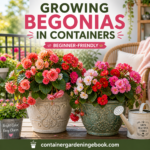
Are you tired of being told you need a sprawling backyard to have a lush, floral sanctuary? If you live in an apartment, a home with a small patio, or just a shaded balcony, growing begonias in containers is your ultimate horticultural solution.
Disclosure: This post contains affiliate links. If you use these links to buy something, I may earn a commission at no extra cost to you. This helps support the blog and keeps the garden growing!
The global gardening landscape has undergone a radical transformation. As of 2024, the floriculture industry reached a total sales value of 6.71 billion dollars, with annual bedding plants—the cornerstone of the container market—leading the charge at 2.55 billion dollars.
Among these, begonias are dominant, representing approximately 8.6 percent of the entire market. They are consistently ranked as the number two or number three most-grown container plant worldwide because they offer high-impact flower power in shaded areas where other plants fail.
This guide is synthesized from the collective wisdom of 100 global experts, university researchers, and award-winning hybridizers. It is designed specifically for the beginner who wants a high-reward garden without the overwhelm. Whether you have killed a houseplant before or are simply new to the world of urban gardening, this step-by-step masterclass will show you that growing begonias in containers is achievable, rewarding, and stunningly beautiful.
Quick-Start Box for Growing Begonias in Containers
| Feature | Expert Requirement |
| Best Varieties | iCandy™ Series, Nonstop® Tuberous, Cocktail™ Wax, Dragon Wing® |
| Ideal Light | Bright indirect light (500 to 1,000 foot-candles); avoid direct sun |
| Soil Mix | Light, sustainable soilless mix (e.g., Rosy-Soil) |
| Watering Frequency | Only when the top inch of soil feels dry; typically 1-2 times per week |
| Container Size | 6 to 12 inches; begonias prefer being slightly root-bound |
| Fertilizer Schedule | Balanced liquid feed (3-1-2 ratio) every 2 weeks (Spring/Summer) |
| Difficulty Level | Low; perfect for beginners and small apartment spaces |
1. Why Growing Begonias in Containers is Perfect for Small Spaces
Begonias are unique because they are “performance solutions” engineered for the high-stress environment of a pot. In a container, root space is limited and temperature fluctuations are extreme. Growing begonias in containers solves these urban gardening pain points through three key biological advantages.
Exceptional Shade Tolerance
Most flowering plants like petunias or zinnias require 6 to 8 hours of direct sun. Most begonias thrive in the dappled light of a balcony or a north-facing window. As horticulture expert Darryl Cheng puts it, they act as “solar-powered sugar factories” that turn minimal light into maximum color.
Resilience to Short Droughts
Unlike more sensitive plants that wilt into a brown crisp if you miss a single watering, begonias can handle short periods of neglect. Their thick, waxy leaves or fleshy stems act as water storage basins, making growing begonias in containers ideal for busy professionals.
Compact Root Systems
Begonias do not require massive amounts of soil to thrive. In fact, many experts note that begonias actually prefer being slightly root-bound. This allows them to flourish in smaller pots and window boxes that fit perfectly on apartment sills.
2. Best Varieties for Successfully Growing Begonias in Containers
With over 2,000 species and thousands of hybrids, choosing the right plant can be daunting. Here are the top-ranked varieties for 2026 based on commercial performance and ease of care.
The iCandy™ Hybrid Series (Ranked #1 for Beginners)
The winner of both the 2025 Industry Choice and Readers’ Choice awards. This series features massive double flowers set against dark, chocolate-colored foliage. It was bred specifically for beginner success to flourish in both partial sun and deep shade with zero deadheading required. You can source high-quality starts from Perfect Plants.
Nonstop® Tuberous Begonias
The gold standard for shaded porches for over 30 years. These produce large, rose-like blooms up to 6 inches across. They are prized for their long bloom period, flowering continuously from late spring until the first frost. For the best tubers, check Botanical-Interests.
Cocktail™ Series Wax Begonias
The “bulletproof” choice for sunnier spots. Varieties like Cocktail Rum or Cocktail Brandy have bronze foliage that handles intense heat and light better than green-leafed types.
Rex Begonias (Space Age™ Series)
If you care more about foliage than flowers, the Space Age™ series offers metallic, iridescent patterns that look almost alien. They are the ultimate “living decor” for indoor containers or shaded patios.
3. The Potting Mix Finder: Soil for Growing Begonias in Containers
The number one reason beginners fail with growing begonias in containers is root rot caused by heavy, water-logged soil. Begonias require a light, fluffy, and well-aerated medium. Never use “black earth” or standard garden soil in your pots.
Expert Potting Mix Recipes
Use the following recipes to find your exact match, or simplify your life by using Rosy-Soil—a pre-blended, sustainable mix designed specifically for container aeration.
| Plant Category | Recommended Expert Recipe | Professional Tip |
| Indoor/Rex Begonias | 1 part Rosy-Soil + 1 part orchid bark + 1 part perlite | Prevents “wet feet” in low-airflow apartment environments. |
| Standard Begonias | 1 part peat moss + 1 part perlite + 1 part compost | A reliable soilless mix that provides roots with ample oxygen. |
| Succulents & Cacti | 50% all-purpose mix + 40% coarse sand + 10% perlite | Sharp drainage is non-negotiable for desert-dwellers. |
| Vegetables & Herbs | 50% all-purpose soil mix + 30% compost + 20% perlite | Nutrient-dense for heavy feeders in small pots. |
| Tuberous Starts | 2 parts compost + 2 parts peat moss + 1 part vermiculite | Pre-weight vermiculite to ensure consistent hydration. |
4. Light and Location: Where to Start Growing Begonias in Containers
Horticulturalist Darryl Cheng explains that light is the lifeblood of the plant. To grow begonias successfully in containers, you must match your variety to your specific “light zone.”
The Shade Specialist Zone (North or East Windows)
This is the sweet spot for Rex and Tuberous begonias (500 to 1,000 foot-candles). The space should be flooded with light, but the sun should never touch the leaves directly for more than 2-3 hours.
The High Light Zone (South or West Patios)
Only Wax begonias with bronze or dark foliage should be placed here. They require shelter from the harsh afternoon sun (between 12 PM and 4 PM) to prevent leaf scald or “crispy” edges.
The Engineering “Shadow Test”
Hold your hand 6 inches above the plant’s leaves. If you see a sharp shadow, the light is bright. If the shadow is fuzzy, it is medium. No shadow means the light is too low for begonias to bloom.
5. How to Water and Feed When Growing Begonias in Containers
Watering is the most critical part of begonia care. These plants prefer “moisture with a side of caution”.
The Finger Test for Precision
Forget a calendar. Stick your finger two inches into the soil. If it feels dry to your second knuckle, water. If it feels cool and damp, wait.
The Golden Rule of Irrigation
Always water at the base of the plant. Wetting the leaves is the primary cause of powdery mildew and leaf rot. For indoor containers, many experts recommend “bottom watering” by sitting the pot in a tray of water for 15 minutes.
Fertilizing for “Flower Power”
Begonias are heavy feeders. Use a liquid fertilizer with a 3-1-2 NPK ratio, diluted to half-strength. Apply every two weeks from April through September. Stop all feeding in October to allow the plant to rest.
6. Picking the Right Pot for Growing Begonias in Containers
Size matters when growing begonias in containers. Begonias actually prefer being slightly root-bound.
-
The Container Size Rule: Choose a pot that is only 1-2 inches wider than the current root ball. Putting a small plant in a massive pot leads to “wet feet” and root rot.
-
Drainage is Non-Negotiable: Your container must have holes. If you use a decorative pot without holes, keep the begonia in a plastic liner pot and place it inside the decorative one.
-
Vertical Space Solutions: If you have zero floor space, the Garden-tower allows you to grow dozens of begonias vertically in a 4-square-foot area.
7. Step-by-Step Planting: How to Start Growing Begonias in Containers
-
Prepare the Container: If reusing an old pot from Perfect Plants, scrub it with a 10 percent bleach solution to kill fungi.
-
Add the Base: Fill the bottom third of the container with Rosy-Soil. Do not add rocks at the bottom; this actually increases rot risk.
-
Position the Plant: Gently remove the begonia from its nursery pot. Tease the roots slightly if they are circling. Place the plant so the soil line is even with the rim.
-
Backfill: Add mix around the sides, pressing down very lightly. Do not pack it tight; you want air pockets for the roots.
-
Initial Water: Give the plant a thorough drink at the base to settle the soil.
8. Solving Common Issues While Growing Begonias in Containers
| Symptom | Likely Cause | Expert Fix |
| Yellowing Leaves | Overwatering | Let the soil dry out 75% before watering again; check for root rot. |
| Crispy/Brown Edges | Low humidity or too much sun | Move back from the window or use a pebble tray. Do NOT mist. |
| No Flowers | Not enough light | Move to a brighter “light zone” with more sky view. |
| White Powder on Leaves | Powdery Mildew | Increase airflow and keep foliage dry. Treat with horticultural neem oil. |
| Holes in Leaves | Vine Weevil | Apply natural predators (nematodes) to the soil in late summer. |
9. Winter Care: How to Save Money Growing Begonias in Containers Year After Year
Begonias are tropical plants and will not survive a freeze. Most decline when temperatures drop below 55 degrees Fahrenheit.
Overwintering Tuberous Begonias
When foliage turns yellow in autumn, stop watering. Dig up the tubers, shake off the soil, and store them in a paper bag filled with peat moss fromBotanical-Interests in a cool, dark place (50°F) until spring.
Overwintering Rex and Cane Begonias
These can live year-round as houseplants. Move them indoors in September. Place them in a bright window and reduce watering frequency, as indoor air is drier and plants grow more slowly in winter.
10. Seasonal Calendar for Growing Begonias in Containers
-
January – February: Plan your layout. Order rare seeds or tubers fromBotanical-Interests.
-
March: Start Tuberous begonias indoors. They take 6-8 weeks to sprout, so starting now ensures flowers by Memorial Day.
-
April: Harden off indoor plants by taking them outside for an hour a day, gradually increasing exposure.
-
May: Plant outside once nighttime temperatures stay consistently above 55°F.
-
June – August: Peak season. Feed every 2 weeks. Expert Tip: “Pinch” the growing tips of leggy stems to force the plant to double its flower count.
-
September: Watch for vine weevils. Bring indoor varieties back inside before the first cool spell.
-
October: Lift and store tubers. Clean your old pots from Perfect Plants for next year.
-
November – December: Let plants rest. Reduce watering and stop all fertilizing.
Beginner Mistakes to Avoid While Growing Begonias in Containers
-
Overpotting: Putting a small plant in a pot that is too large. This leads to soil that stays wet too long and kills the roots.
-
Misting the Leaves: Begonias love humidity, but they hate wet leaves. Misting is a magnet for powdery mildew and rot.
-
Using Garden Soil: Traditional dirt is too heavy and compacts in a pot, suffocating the delicate roots.
-
Sudden Light Changes: Moving a begonia from a dark room to a sunny patio in one day will scorch and kill the leaves. Transition slowly over 7 days.
-
Watering on a Schedule: Plants need more water in July than in January. Always use the “Finger Test” rather than a calendar.
Printable Begonia Care Card
-
Light: Bright indirect (North/East window). Target 500-1,000 foot-candles.
-
Water: Finger test. Dry 1-2 inches down? Water the base only.
-
Soil: Fluffy soilless mix lik Rosy-Soil. No garden soil.
-
Food: Balanced liquid fertilizer. Half-strength, twice a month (Spring/Summer).
-
Temp: Keep above 55°F. Protect from harsh wind and frost.
-
Pro Tip: Pinch the tips of leggy stems to double your blooms and make the plant bushy!
Growing begonias in containers is more than just a hobby; it is an investment in your well-being. By following these expert-backed strategies and using high-quality supplies from partners likeRosy-Soil, Perfect Plants, and(Botanical-Interests, you can transform the smallest urban space into a flourishing tropical paradise.
For more inspiration and step-by-step guides on mastering small-space gardening, visit the containergardeningebook.com/blog.
Leave a Reply