5 Best Aesthetic Self-Watering Planters for Your Home
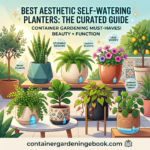
Best aesthetic self-watering planters offer the perfect blend of high-end home decor and hassle-free plant care. An aesthetic self-watering planter is a stylish container engineered with a built-in sub-irrigation reservoir that automatically delivers consistent moisture to plant roots via capillary action. These vessels are best for urban gardeners, apartment dwellers, and complete beginners who want to cultivate fresh herbs, leafy greens, vegetables, or flowers on a balcony, patio, or windowsill without daily watering chores or messy spills. Discover more step-by-step container guides on the Container Gardening Blog.
Affiliate Disclosure: This post contains affiliate links. If you make a purchase through these links, I may earn a small commission at no extra cost to you. I only recommend products I believe will add value to your gardening journey. Thank you for your support!
Overview of the Best Aesthetic Self-Watering Planters
Lechuza Balconera Material and Finish: UV-resistant woven or matte resin. Sub-Irrigation Mechanism: Sub-irrigation reservoir with flush float indicator. Ideal Plants: Cherry tomatoes, petunias, and basil. Target Space: Balcony railings and window ledges.
Wet Pot Systems Material and Finish: Mouth-blown glass and unglazed terracotta. Sub-Irrigation Mechanism: Natural porous clay capillary absorption. Ideal Plants: Culinary herbs, ferns, and pothos. Target Space: Kitchen countertops and windowsills.
Greenery Unlimited Studio Material and Finish: Architectural glazed stoneware. Sub-Irrigation Mechanism: Sub-irrigation disk with concealed side spout. Ideal Plants: Monsteras, peace lilies, and tropical foliage. Target Space: Living rooms and indoor corners.
Garden Tower Material and Finish: Recycled food-safe terracotta polymer. Sub-Irrigation Mechanism: Vertical self-watering column with vermicomposting. Ideal Plants: Up to 50 organic herbs, greens, and berries. Target Space: Small patios and townhome decks.
Elho Greenville Material and Finish: 100 percent recycled matte composite. Sub-Irrigation Mechanism: Integrated water reservoir with removable overflow plug. Ideal Plants: Sweet peppers, dwarf shrubs, and zinnias. Target Space: Outdoor patios and entryways.
Why the Best Aesthetic Self-Watering Planters Solve Beginner Gardening Problems
The best aesthetic self-watering planters directly solve the primary challenges that cause beginner plant failure in container gardening. Inconsistent watering leads to stressed plants, while traditional top-watering often causes soil compaction that suffocates root systems. Furthermore, sitting in excess water leads to root rot. Sub-irrigation supplies steady bottom moisture, keeping potting soil fluffy, protecting root systems, and preventing waterlogged soil conditions.
How to Choose the Best Aesthetic Self-Watering Planters for Your Space
Balconies and Railings: Choose the Lechuza Balconera for its UV-resistant resin, secure mounting brackets, and weather-proof reservoir designed for sunny elevated spaces.
Kitchen Countertops and Windowsills: Choose Wet Pot Systems for a sleek glass and terracotta aesthetic that keeps culinary herbs like basil, mint, and cilantro hydrated right where you cook.
Living Rooms and Accent Corners: Choose Greenery Unlimited Studio for glazed ceramic pottery that acts as home decor while supporting large indoor foliage like monsteras.
Patios and Townhome Decks: Choose the Garden Tower to maximize vertical space with up to 50 plants, or select the Elho Greenville for durable outdoor container displays.
Porches and Outdoor Entryways: Choose the Elho Greenville for its clean aesthetic and removable base plug that prevents waterlogging during heavy rainstorms.
How to Set Up the Best Aesthetic Self-Watering Planters Step by Step
Step 1: Assembly and Separator Plate Placement. Unpack your planter and place the internal separator plate securely at the bottom of the container. Install any included wicking tubes or water-level indicators according to the manufacturer’s instructions.
Step 2: Soil Preparation and Aeration. Fill the planting chamber with a lightweight potting mix. Blend in twenty to thirty percent coarse perlite to maintain vital oxygen pockets above the moist reservoir.
Step 3: Planting. Plant your seeds or young transplants in the soil mix. Firm the soil gently around the stems, keeping the plant at its original soil depth.
Step 4: Initial Top-Watering Phase. Water the plant from the top surface for the first two to three weeks. This top-watering phase encourages roots to grow deep enough to reach the lower sub-irrigation capillary zone.
Step 5: Switching to Sub-Irrigation. Once roots are established, fill the water reservoir directly through the fill spout until the gauge reads full. Refill only when the reservoir empties.
Best Plants to Grow in the Best Aesthetic Self-Watering Planters
The best aesthetic self-watering planters excel with thirsty, high-transpiration plants that thrive on consistent soil moisture.
Culinary Herbs: Genovese basil, mint, chives, cilantro, and parsley thrive with continuous sub-irrigation.
Greens and Fruiting Vegetables: Butterhead lettuce, spinach, dwarf cherry tomatoes, bush cucumbers, and sweet mini peppers yield heavily with steady water delivery.
Flowering Annuals: Wave petunias, calibrachoa, marigolds, and strawberries produce abundant blooms and fruit.
Tropical Foliage: Monsteras, ferns, peace lilies, pothos, and calatheas flourish under steady root moisture.
High-germination seeds tailored for container gardening can be ordered from Botanical Interests.
Plants to Avoid in the Best Aesthetic Self-Watering Planters
Plants that prefer dry soil conditions perform poorly in the best aesthetic self-watering planters and should be grown in standard draining pots instead.
Succulents and Cacti: Echeveria, jade, and cacti store water in their stems and rot quickly under constant moisture.
Drought-Tolerant Herbs: Rosemary and lavender prefer dry, well-drained soil and suffer from root rot in self-watering pots.
Low-Water Houseplants: Snake plants and ZZ plants require extended dry periods between waterings.
Soil and Seed Requirements for the Best Aesthetic Self-Watering Planters
Standard garden soil or dense topsoil compacts into heavy mud inside self-watering pots, blocking oxygen and rotting roots. Utilizing the best aesthetic self-watering planters requires a light, porous growing medium.
Start with a high-quality biochar base soil like Rosy Soil, which promotes beneficial soil microbes. Mix in aeration amendments like perlite from Perfect Plants to maintain an eighty-twenty ratio of soil to perlite. Pair your soil with non-GMO container seeds from Botanical Interests.
Grab the exact potting mix formula for your specific plant; use the tool below:
Potting Mix Finder
Beginner Mistakes with the Best Aesthetic Self-Watering Planters
Using Dense Topsoil: Native dirt or heavy topsoil turns into mud, blocking oxygen flow and causing root rot.
Ignoring Aeration Ratios: Failing to add twenty to thirty percent perlite causes soil to compact over time in damp sub-irrigation reservoirs.
Leaving Outdoor Overflow Plugs In: Leaving rubber drainage plugs installed on outdoor planters causes heavy rains to flood the root zone.
Overfilling the Reservoir: Filling past the maximum indicator line floods the air gap above the separator plate, drowning plant roots.
Planting Succulents or Desert Herbs: Growing cacti, rosemary, or lavender in self-watering planters leads to stem softening and plant decay.
Care Routine for the Best Aesthetic Self-Watering Planters
Weekly Care Routine: Check the float indicator gauge. Top off the reservoir through the fill spout if the water level is near the minimum mark. Inspect leaves for dust, pests, or yellowing foliage.
Monthly Care Routine: Flush the soil by top-watering thoroughly with clear water to dissolve accumulated fertilizer salts. Wipe down exterior planter surfaces with a damp cloth to maintain a clean aesthetic. Check outdoor overflow plugs and drainage channels to ensure they are free of debris. Prune yellowing leaves and harvest mature herbs to promote new growth.
Pros and Cons of the Best Aesthetic Self-Watering Planters
Pros: Delivers consistent soil moisture without daily watering chores. Protects furniture and floors from leaks and water rings. Keeps plants hydrated during hot summer weather and travel. Complements modern home interiors with elevated materials and sleek forms. Reduces overall water waste through targeted root hydration.
Cons: Higher initial cost compared to basic plastic pots. Unsuitable for cacti, succulents, rosemary, and lavender. Requires blending perlite into the soil mix to prevent compaction.
Frequently Asked Questions About the Best Aesthetic Self-Watering Planters
Question: Do the best aesthetic self-watering planters cause root rot? Answer: The best aesthetic self-watering planters only cause root rot if heavy topsoil is used or if the reservoir is overfilled past the separator plate. Using a lightweight potting mix containing twenty percent perlite maintains oxygen pockets that prevent root rot.
Question: How often do I need to fill the water reservoir in an aesthetic self-watering planter? Answer: Depending on plant size, temperature, and sunlight, most self-watering reservoirs need refilling once every one to three weeks.
Question: Are aesthetic self-watering planters safe for indoor furniture? Answer: Yes, aesthetic self-watering planters feature sealed outer bases that prevent water leaks and protect indoor tables and flooring from moisture rings.
Question: What soil works best in the best aesthetic self-watering planters? Answer: A lightweight potting mix enriched with biochar, such as Rosy Soil, combined with twenty to thirty percent perlite from Perfect Plants, provides optimal capillary wicking and aeration.
Leave a Reply