How to Reuse Potting Soil Safely: A Beginner’s Guide for Small Spaces
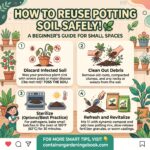
Learning how to reuse potting soil safely is the single best shortcut for small-space and apartment gardeners. This comprehensive guide teaches urban growers how to recycle spent dirt without mess, pest outbreaks, or ruined plants. Designed specifically for beginners living in apartments, homes with small patios, or urban balconies, you will discover how to inspect, clean, fluff, and feed old container media—especially if you are growing in vertical setups like the Garden Tower.
Affiliate Disclosure: This post contains affiliate links. If you make a purchase through these links, I may earn a small commission at no extra cost to you. I only recommend products I believe will add value to your gardening journey. Thank you for your support!
If you have ever killed a potted basil plant, felt overwhelmed by confusing gardening books, or dreaded dragging heavy forty-pound bags of dirt up three flights of stairs, you are in the right place. You do not need a massive backyard, a green thumb, or expensive equipment to give your old soil a second life. With a few simple apartment-friendly tricks, you can master how to reuse potting soil safely and turn tired dirt into rich, living plant food.
(For more small-space growing guides, check out our full library on the Container Gardening Blog.)
Why Learning How to Reuse Potting Soil Safely Matters
Before diving into the steps, it helps to understand why recycling container media is worth the effort:
- Saves Money: High-quality organic potting mixes are expensive to replace every single spring.
- Saves Your Back: Eliminates the need to haul heavy bags of dirt up apartment stairs or elevators.
- Eco-Friendly: Keeps plastic soil bags out of landfills and reduces peat moss consumption.
Visual Process Flow:
Spent Soil ➔ Safety Inspection ➔ Root Sifting ➔ Optional Pasteurization ➔ Drainage Boost ➔ Organic Amendments ➔ Refreshed Soil
The 60-Second Guide to Reuse Potting Soil Safely
- Inspect: Check old soil for diseased plants or foul swampy odors.
- Discard: Throw away soil that grew plants with contagious root rot or fungal disease.
- Sift: Dump healthy soil onto a tarp and pull out dead roots and debris.
- Sterilize (Optional): Bake moist soil at 180°F (82°C) for 30 minutes or solarize in a sealed tote.
- Fluff: Add 10% to 20% fresh perlite or pumice to restore aeration.
- Feed: Blend in 50% fresh compost or biochar-rich soil.
- Nutrient Boost: Stir in worm castings and a balanced dry organic fertilizer.
- Plant: Sow fresh seeds and water thoroughly to reactivate the soil.
Quick-Fix Soil Troubleshooting Summary
| Problem | Symptom | Quick Solution |
| Compacted Soil | Water pools on top or runs straight down the inside edges of the pot | Sift out old roots and add 10–20% perlite or pumice from Perfect Plants. |
| Nutrient Depletion | Leaves turn pale yellow, growth stalls, and flowers fail to develop | Mix 50% old soil with fresh biochar mix from Rosy Soil and organic fertilizer. |
| Pest Infestation | Tiny black gnats swarm when watering, or white eggs appear in soil | Bake moist soil at 180°F for 30 minutes or solarize in a clear tote on a sunny balcony. |
| Salt Accumulation | White crust forms on the soil surface or pot rim | Flush the pot thoroughly with clean water until runoff flows clear from drainage holes. |
Step 1: The Safety Audit – How to Know If You Can Reuse Potting Soil Safely
To reuse potting soil safely, the first rule is knowing when old soil can be saved and when it must be thrown away.
- Keep It If: The previous plant simply finished its natural lifecycle (like annual flowers or harvested kitchen herbs) or dried out because you forgot to water it. Healthy old soil smells clean and earthy, like fresh rain on dirt.
- Discard Immediately: Throw away soil if the previous plant suffered from contagious fungal or bacterial diseases like root rot, stem wilt, blight, or powdery mildew. Pathogens survive in pot soil and will infect new seedlings.
- The Smell Test: If soil smells sour, stagnant, or swampy, harmful anaerobic bacteria have taken over. Discard it or divert it to outdoor inground fill.
Step 2: How to Sterilize Potting Soil in an Apartment
If last season’s container had persistent fungus gnats, spider mites, or mystery insect eggs, taking time to sterilize potting soil apartment setups eliminates pests before you plant.
Option A: The Oven Method for Small Spaces
- Scoop moist potting soil into an oven-safe baking dish or roasting pan.
- Cover the dish tightly with aluminum foil.
- Bake at 180°F (82°C) for 30 minutes.
- Allow the soil to cool completely before handling.
Caution: Keep oven temperatures under 200°F (93°C). Overheating destroys organic matter and releases toxic levels of naturally occurring manganese that can burn sensitive young roots.
Option B: The Balcony Solarization Method
- Lightly moisten the spent soil and pour it into a clear plastic storage tote or bag.
- Seal the lid tightly and place it in direct sunlight on your balcony for 4 to 6 weeks during mid-summer.
- Trapped solar heat naturally pasteurizes the soil without creating a mess in your kitchen.
Step 3: Rejuvenate Old Potting Soil for Containers
Over a single season, container dirt loses two things: structural porosity (air space for roots) and nutrients. If you want to rejuvenate old potting soil for containers, follow this simple three-part formula:
[Sift Out Old Roots] ➔ [Add 10-20% Perlite/Pumice] ➔ [Add 50% Fresh Organic Soil & Nutrients]
- Sift Out Debris: Spread old soil on a plastic tarp or mixing tray. Remove thick root mats and dead stems using your hands or a garden sifter.
- Restore Drainage: Mix in 10% to 20% fresh horticultural perlite or pumice from Perfect Plants. This creates vital air pockets so water drains freely instead of drowning roots.
- Replenish Food & Microbes: Mix equal parts old soil and fresh organic matter (50% recycled soil + 50% fresh mix). Using a sustainable, biochar-based media like Rosy Soil reintroduces beneficial soil microbes and boosts water retention. Add a handful of worm castings and a scoop of all-purpose organic granular fertilizer (4-4-4 NPK).
Find Your Custom Potting Mix Recipe
Different plants have unique drainage and nutrient requirements—a heavy-feeding cherry tomato needs a richer mix than a desert-loving succulent or an airy monstera. Use the custom recipe tool below to get the exact ingredient ratios to mix into your refreshed soil based on what you are growing:
Potting Mix Finder
Essential Gear to Reuse Balcony Planter Soil Successfully
Investing in a few high-quality products makes learning how to reuse potting soil safely clean, fast, and foolproof for apartment dwellers.
| Product | What It Does | Recommended Partner |
| Biochar Potting Mix | Reintroduces living soil biology, carbon, and moisture retention | Rosy Soil |
| Horticultural Perlite & Fertilizer | Improves root zone aeration and delivers slow-release nutrients | Perfect Plants |
| Non-GMO Heirloom Seeds | High-germination seeds optimized for container growth | Botanical Interests |
| Vertical Composting Planter | Turns kitchen scraps into nutrient-rich vermicompost right on your patio | Garden Tower |
Printable Soil Care Routine for Container Gardens
- Daily Care Routine: Check soil moisture by inserting your finger one inch deep into the container. Water only when the top layer feels dry to the touch. Ensure drainage holes are clear.
- Weekly Care Routine: Inspect leaf undersides and soil surfaces for fungus gnats or pests. Remove fallen leaves or dead plant debris from the top of the soil to prevent mold growth.
- Monthly Care Routine: Top-dress pots with a half-inch layer of fresh worm castings or feed with mild liquid organic fertilizer. Flush pots with clean water if white salt crust appears on the rim.
- Seasonal Care Routine: At the end of the season, perform the safety audit. Sterilize or rejuvenate your media, and reuse balcony planter soil safely for your next rotation of crops.
Frequently Asked Questions About How to Reuse Potting Soil Safely
Can you reuse potting soil year after year?
Yes, you can safely reuse potting soil for multiple years if the previous plants were healthy. You must rejuvenate it each season by removing old roots, adding drainage material like perlite, and blending in fresh compost or biochar mix to restore depleted nutrients.
Is it safe to reuse potting soil from dead plants?
It depends on why the plant died. If the plant died from lack of water or reached the end of its natural lifespan, the soil is safe to reuse. If the plant died from root rot, blight, or a fungal disease, discard the soil immediately to avoid infecting new plants.
How do you sanitize old potting soil for apartment living?
The easiest way to sanitize soil in an apartment is baking it in an oven-safe dish covered with foil at 180°F (82°C) for 30 minutes. Alternatively, you can place moist soil in a sealed plastic tote on a sunny balcony for 4 to 6 weeks during hot summer weather.
Should I add fresh soil to old potting soil?
Yes, blending old potting soil with 50% fresh compost, biochar mix, or brand-new potting soil is essential. Fresh organic matter improves soil texture, restores beneficial microbes, and replaces lost nutrients.
Next Steps for Your Container Garden
Mastering how to reuse potting soil safely is the ultimate cost-saving skill for small-space growers. Now that your soil is clean, airy, and nutrient-rich, you are ready to pick the best crops for your refreshed pots.
Start by picking up non-GMO seeds from Botanical Interests, or head over to the Container Gardening Blog for step-by-step guides on growing high-yield vegetables and herbs in small spaces!
Leave a Reply