4 Secrets to End Hanging Basket Dehydration Fast
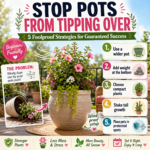
If you have ever found your brand-new, lush hanging fern looking completely crispy, wilted, and dead in just a few short days, you are certainly not alone. Many beginner apartment and small-space gardeners assume they simply have a “black thumb” when this happens. However, the truth is much more scientific and far less personal. Your plants are likely falling victim to hanging basket dehydration, a very common environmental phenomenon.
Disclosure: This post contains affiliate links. If you use these links to buy something, I may earn a commission at no extra cost to you. This helps support the blog and keeps the garden growing!
Hanging basket dehydration occurs because your suspended plants are sitting in a 360-degree wind tunnel. This constant breeze continuously strips vital moisture from both the potting soil and the plant leaves. This rapid evaporation shrinks the dirt until it becomes completely hydrophobic, meaning it repels water entirely instead of absorbing it.
You can fix this problem quickly and easily by using larger baskets, adding hidden plastic liners, choosing premium moisture-retentive potting soil, and placing your plants in wind-shielded areas. If you are new to balcony or patio growing, be sure to bookmark our Container Gardening Blog for more beginner-friendly troubleshooting guides. In this comprehensive guide, we are going to dive deep into exactly why hanging basket dehydration happens and give you the step-by-step tools to stop it forever.
Understanding Hanging Basket Dehydration: The Science of Drying Out
To understand exactly why hanging basket dehydration is such a persistent problem for container gardeners, you have to look at the physics of evaporation. Think about how you do your laundry. If you take a wet shirt, ball it up, and drop it on your bathroom floor, it will stay damp for days. The solid floor protects the bottom, and the surrounding walls prevent air from circulating quickly over the fabric.
But if you take that exact same wet shirt and hang it outside on a clothesline, the breeze hits the fabric from the front, the back, the top, and the bottom. Because the wind is constantly moving over every exposed surface, the shirt dries in less than an hour.
When you lift a plant off your protected patio floor and suspend it in the air on a shepherd’s hook or a balcony railing, you are effectively putting your plant on a clothesline. The wind constantly pulls moisture out of the leaves and the dirt from every possible angle.
The Boundary Layer and Hanging Basket Dehydration
In plant science, leaves naturally create a micro-thin layer of humid air around themselves, known as the “boundary layer.” This invisible shield helps the plant retain water inside its cellular structure. However, when a plant is subjected to the constant 360-degree airflow that causes hanging basket dehydration, that protective boundary layer is aggressively blown away. The plant panics and begins to transpire (sweat) at double or triple its normal rate.
Simultaneously, the wind is attacking the container itself. If the pot is made of porous material, the wind pulls water directly through the sides of the basket. Within 24 hours, the plant is completely starved of moisture, leading to the rapid wilting that defines severe hanging basket dehydration.
5 Beginner Mistakes That Speed Up Hanging Basket Dehydration
Many beginners accidentally make this drying effect much worse by falling into a few common, easily avoidable traps. If you want to stop hanging basket dehydration, you need to make sure you are not making these five common mistakes:
-
Using Small, Cheap Baskets: The most frequent mistake leading to hanging basket dehydration is using the small, 10-inch plastic baskets that come straight from the grocery store or big-box garden center. They do not hold enough soil to support a plant through a windy afternoon.
-
Using Coco-Coir Without a Liner: Coconut coir looks incredibly beautiful and rustic, but planting directly into a porous wire and coir basket without putting a protective plastic liner inside is a recipe for disaster. The wind will blow straight through the fibers.
-
Using Cheap Potting Soil: Beginners often try to save money by buying the cheapest bag of potting mix available. Cheap soil lacks organic sponges like compost or biochar. When it dries out, it turns into a hard brick, making hanging basket dehydration almost impossible to reverse.
-
Hanging Plants in Exposed Wind Corridors: Hanging your plants in highly exposed areas, like the open, unprotected corner of a high-rise apartment balcony, guarantees fast evaporation.
-
Watering at the Wrong Time of Day: Watering your hanging baskets in the middle of a hot, breezy afternoon is a mistake. The hot sun and ambient wind will steal the moisture right out of the pot before the roots can take a proper drink.
How Pot Size Affects Hanging Basket Dehydration
The physical size of your container is arguably the most critical factor in your overall success. When battling hanging basket dehydration, soil mass is your best friend.
A standard 10-inch hanging basket simply does not hold enough dirt to survive a breezy afternoon. Because the soil volume is so incredibly low, it offers absolutely zero wind resistance. The sun heats it up rapidly, and the wind dries it out in hours. It requires constant, exhausting watering, making it a highly frustrating choice for beginners.
Moving up to a 14-inch hanging basket provides a solid, reliable middle ground. A 14-inch pot gives you enough soil mass to retain moisture through a normal summer day without becoming too heavy for a standard balcony hook or porch ceiling. It acts as a buffer against hanging basket dehydration.
A large 16-inch basket is the ultimate choice for beginner success. It holds a massive amount of dirt, acting like a giant, protective water reservoir. This high volume of soil protects your plant’s delicate root system from sudden temperature shifts and rapid wilting, keeping hanging basket dehydration at bay even during a hot, windy holiday weekend when you might not have time to water.
4 Secrets to End Hanging Basket Dehydration Fast
You do not need years of horticultural training to fix this problem. You just need to set up your planters correctly from day one. Here are the four secrets to wind-proofing your setup and stopping hanging basket dehydration forever.
Secret 1: Size Up Your Containers Immediately
Always repot your nursery plants into larger baskets measuring 14 to 16 inches across. By drastically increasing your soil mass, you increase the container’s natural water retention. A larger pot has a cooler core temperature, meaning the sun and wind have to work much harder to pull the moisture out.
Secret 2: The Plastic Liner Hack for Coco-Coir
If you absolutely love the look of a wire basket with a coconut coir liner, you must take steps to stop lateral side evaporation. Place a standard plastic grocery bag or a cut-up heavy-duty trash bag inside the coir before adding your dirt. Be sure to poke three or four small, dime-sized holes in the very bottom of the plastic for necessary drainage. This hidden barrier completely stops the wind from blowing straight through the sides, drastically reducing hanging basket dehydration.
Secret 3: Invest in Premium Moisture-Control Soil
To fight hanging basket dehydration, you must use high-quality potting mix. You need soil that contains natural moisture-retaining sponges. Instead of generic dirt, we highly recommend upgrading to Rosy Soil. Rosy Soil uses sustainable, carbon-negative biochar that acts like a permanent internal sponge, trapping water molecules right at the root zone before the wind can steal them away.
Alternatively, if you want to mix your own custom blends, check out the professional-grade container mixes, composts, and aeration amendments available at Perfect Plants to ensure your roots have the perfect balance of hydration and oxygen.
To make sure you get the exact soil ratio right for your specific plants, use our custom code tool below to build a dehydration-proof soil matrix:
JSON
Potting Mix Finder
Secret 4: Use Self-Watering Reservoirs and Vertical Alternatives
Take the stress out of your daily watering routine by upgrading your actual hardware. Switch to double-walled resin baskets or containers with built-in self-watering reservoirs and internal wick systems. These planters constantly feed water to the roots from a hidden bottom tank, completely bypassing the wind.
If hanging baskets still sound like too much daily maintenance because your specific balcony is caught in a severe wind tunnel, you can bypass the hanging issue entirely. Invest in a Garden Tower. This revolutionary vertical planter sits securely on your patio floor, holds up to 50 plants in a tiny square footprint, and features a built-in composting core. Its sheer weight, massive soil volume, and ground-level stability mean it easily resists the wind while still giving you the lush look of a hanging vertical garden.
Your Ultimate Hanging Basket Dehydration Prevention Checklist
To create the perfect, wind-proof setup on your patio, follow this simple checklist before you start planting:
-
Basket Size: Did I choose a 14-inch or 16-inch container?
-
Wind Barrier: Do I have a plastic liner inside my porous coco-coir or moss basket?
-
Soil Quality: Am I using a premium moisture-control soil mix packed with compost or biochar?
-
Hidden Sponge: Have I placed a small layer of wool, felt, or extra compost at the very bottom of the pot to hold extra water?
-
Watering Schedule: Am I prepared to water in the early morning before the heat and wind pick up?
-
Smart Placement: Are my baskets grouped together and mounted near a solid wall or porch pillar to block harsh drafts?
Top 6 Plants That Survive Hanging Basket Dehydration
Setting yourself up for gardening success also means picking plants that naturally survive wind, heat, and dry dirt. Avoid delicate, paper-thin ferns and opt for rugged outdoor varieties. You can source premium, high-germination seeds for these tough-as-nails plants directly at Botanical Interests.
-
Lantana: A fantastic choice because its thick, slightly rough leaves lock in moisture while producing bright, multi-colored flowers all summer long.
-
Ivy-Leaf Geraniums: These trailing beauties have a shiny, waxy cuticle coating on their leaves that physically stops the wind from stealing their water.
-
Scaevola (Fan Flower): A tough, trailing plant that natively handles coastal breezes and bounces back easily even if it gets a little too dry.
-
Trailing Rosemary: A beautiful, highly fragrant herb that natively thrives on breezy, sun-baked Mediterranean ocean cliffs.
-
Mint: An incredibly resilient, hard-to-kill herb for balconies. Just remember that mint should always be planted in its own dedicated pot, as its aggressive roots will take over and crowd out your other plants.
-
Tumbler Cherry Tomatoes: If you want to grow fresh food, tumbler tomatoes are specifically bred to cascade beautifully down from hanging pots while resisting drought and wind stress.
Hanging Basket Dehydration FAQ
If you are still struggling with your suspended plants, here are the answers to the most common questions regarding hanging basket dehydration.
Why does my hanging basket dry out so fast compared to my floor pots?
Your hanging basket dries out incredibly fast because being suspended in the air exposes the container to ambient wind and radiant heat from all 360 degrees. This doubles or even triples the speed of evaporation compared to a pot sitting safely on your patio floor, leading directly to hanging basket dehydration.
How often should I water a hanging basket in the wind?
To prevent hanging basket dehydration on breezy summer days, you will likely need to water your plants once a day in the early morning. However, if you upgrade to a large 16-inch self-watering pot with premium soil, you might only need to provide a drink every three to four days. Always lift the pot gently from the bottom to feel its weight before adding water.
How do I fix hydrophobic soil caused by hanging basket dehydration?
When hanging basket dehydration gets so severe that the dirt shrinks away from the edges of the pot, the soil becomes hydrophobic. Pouring water on top will do nothing; it will just run down the sides and straight out the bottom. The trick is to soak it. Take the basket down and set it in a tub or bucket of shallow water for an hour. This allows the hardened soil to slowly absorb moisture from the bottom up through capillary action.
What is the best soil to prevent hanging basket dehydration in windy areas?
The best soil for hanging baskets in windy areas is a premium, high-quality moisture-control mix. Look for potting soil that includes heavy, water-retaining organic ingredients like compost, rich coconut coir, or sustainable biochar. You still need a small amount of perlite or pumice mixed in so the plant roots can breathe, but the organic matter is what will hold onto the exact amount of water your plants need to survive the wind.
Leave a Reply