Full Shade Plants: 25 Best Picks for Lush Container Gardens & Small Spaces
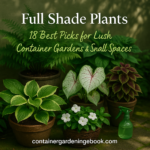
Turn your darkest corners into a “Moody Jungle” sanctuary with these expert-approved full-shade plants perfect for balconies and patios.
Disclosure: This post contains affiliate links. If you use these links to buy something, I may earn a commission at no extra cost to you. This helps support the blog and keeps the garden growing!
- Top 10 Full Shade Plants at a Glance
- Best Full Shade Plants for Balconies & Patios
- Easy Full Shade Perennials for Beginners
- Colorful Full Shade Plants for Small Gardens (Annuals)
- Best Full Shade Plants by Season
- Shade Garden Design Principles
- Care Tips for Your Shade Sanctuary
- Conclusion
- FAQ: Full Shade Gardening
Top 10 Full Shade Plants at a Glance
Looking for the best plants for dark spots? Here are the top performers for containers and small gardens.
- Hosta ‘Blue Mouse Ears’ – Best for small pots and tabletop displays.
- Coral Bells (Heuchera ‘Obsidian’) – Best for dramatic, year-round foliage color.
- Autumn Fern (Dryopteris erythrosora) – Best for texture and copper-colored new growth.
- Begonia ‘Gryphon’ – Best for a tropical, “jungle” aesthetic.
- Japanese Forest Grass (Hakonechloa macra) – Best “spiller” for softening container edges.
- Lenten Rose (Helleborus) – Best for early winter and spring blooms.
- Creeping Jenny (Lysimachia nummularia) – Best trailing foliage for brightening dark corners.
- Solomon’s Seal (Polygonatum) – Best for vertical architecture and elegance.
- Coleus (Plectranthus scutellarioides) – Best for vibrant, multi-colored annual foliage.
- Caladium – Best for exotic, heart-shaped leaves in summer.
If you are staring at a north-facing balcony, a porch blocked by street trees, or a dark corner of a patio that gets zero direct sun, you might feel like you’ve lost the gardening lottery. The truth? You’ve actually won.
While sun gardens struggle with heat stress and require constant watering, full shade plants offer an opportunity to create a sophisticated, cooling sanctuary—a “Moody Jungle” aesthetic that is trending with top urban balcony gardening designers. By choosing the right shade-loving plants and pairing them with high-quality soil likeRosy Soil, you can cultivate a lush oasis that requires less water and delivers high-impact style.
What is “Full Shade” Exactly?
Before you buy, it is critical to define your light. In horticultural terms, full shade means the area receives less than 3 hours of direct sunlight per day.
- Deep Shade: No direct sunlight at all (e.g., under a dense evergreen tree, a covered porch, or an urban “canyon” between buildings).
- Dappled Shade: Sunlight filters through tree branches, creating shifting patterns of light throughout the day.
Expert Insight: Most low-light garden plants thrive in dappled light or morning sun. If you have deep, dark shade, focus on forest floor plants like ferns and ivy rather than flowering ones.
Best Full Shade Plants for Balconies & Patios
Perfect for renters and small-space urban gardeners.
For container gardening in the shade, rely on the “Thriller, Filler, Spiller” formula. Since flowers bloom less in the dark, prioritize colorful full shade plants for small gardens with striking leaves. To ensure your potted plants have the nutrients they need, we recommend filling your containers with Rosy soil. It is peat-free and packed with biochar, which helps retain the consistent moisture retention shade plants love without letting them get soggy.
1. The “Exotic” Thriller: Hardy Begonia (Begonia grandis or ‘Gryphon’)
Forget standard wax begonias. Varieties like ‘Gryphon’ offer massive, palmate leaves with silver markings that look prehistoric. They add immediate height and drama to any pot.
- Why it works: It thrives in humidity and low light, making it a top pick for plants for dark corners.
- Top Tip: Legendary breeder Brad Thompson focused on cane-types that offer massive displays; look for his hybrids for vigor.
2. The “Moody” Filler: Coral Bells (Heuchera)
Specifically, look for varieties like ‘Obsidian’ (nearly black) or ‘Lime Rickey’ (neon green). These easy full shade perennials are grown for their foliage, which stays vibrant from spring through frost.
- Care Tip: Plant them “high” (with the crown slightly above soil level) to prevent rot.
- Pro-Tip: Breeder Dan Heims of Terra Nova Nurseries revolutionized these plants; look for his ‘Little Cuties’ series for small balcony pots.
3. The “Glowing” Spiller: Japanese Forest Grass (Hakonechloa macra ‘Aureola’)
This ornamental grass flows like water over the edge of a pot. Its bright yellow and green striping acts as a “light bulb,” illuminating shady spots.
- Why it works: Unlike most grasses, it loves the shade and softens the look of rigid containers.
Design Note: Need stylish pots that won’t break the bank? We love the Better Homes & Gardens line at Wal-Mart for their lightweight resin options that look like expensive ceramic but are easy to move around your patio.
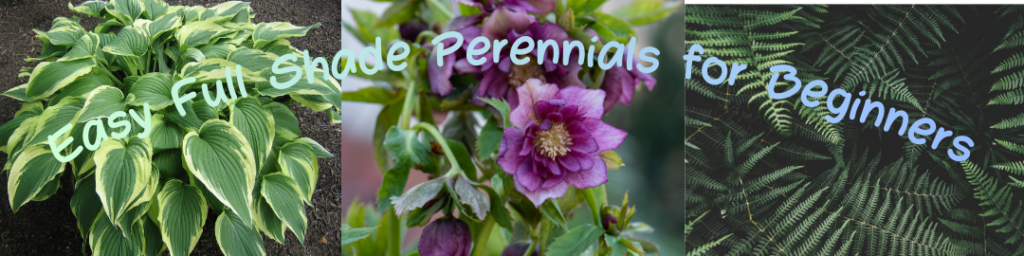
Easy Full Shade Perennials for Beginners
Reliable plants that return year after year.
If you are filling a larger bed or permanent planters, sourcing healthy, well-established plants is key to success. We love Perfect Plants for their direct-from-grower shipping, ensuring your perennials arrive fresh.
4. Hosta (The King of Shade)
From the giant ‘Empress Wu’ to the tiny ‘Blue Mouse Ears’, Hostas are the backbone of shade garden design.
- Expert Pick: Tony Avent of Plant Delights recommends “Mouse Ear” varieties for containers as they are tough and slug-resistant.
- Design Tip: Pair blue-leaved hostas (like ‘Halcyon’) with yellow-leaved plants for maximum contrast.
5. Lenten Rose (Helleborus)
These are the first to wake up, often blooming while snow is still on the ground. They feature evergreen, leathery leaves that look good year-round.
- Why we love them: They are deer-resistant and extremely drought-tolerant once established.
- Maintenance: Use sharp pruning shears to cut back old foliage in late winter to reveal the blooms.
6. Ferns (The Texture Kings)
Ferns are essential for that lush, woodland feel. Sue Olsen, author of the Encyclopedia of Garden Ferns, recommends evergreen varieties for year-round structure.
- Autumn Fern: Offers coppery-red new growth.
- Japanese Painted Fern: Features silvery-purple fronds that look hand-painted.
Colorful Full Shade Plants for Small Gardens (Annuals)
Use these for a single-season burst of color.
Sometimes you just need an affordable pop of color to fill in the gaps. Wal-Mart is an excellent place to grab flats of reliable annuals to tuck between your larger perennials.
7. Coleus (Plectranthus scutellarioides)
Available in every color from electric pink to deep burgundy. The ‘Kong’ series is specifically bred for full shade and has massive leaves.
- Pro Tip: Pinch off the flower spikes to keep the leaves growing large and bushy.
8. Caladium
These grow from tubers and produce paper-thin, heart-shaped leaves in white, pink, and red. White varieties like ‘Candidum’ are best for low light garden plants because they reflect the most light.

Best Full Shade Plants by Season
To create a shade garden design that looks good year-round, layer plants that peak at different times.
- Spring: Bleeding Heart (Dicentra), Lungwort (Pulmonaria), Lenten Rose (Helleborus).
- Summer: Astilbe (look for ‘Visions’ series for better drought tolerance), Begonias, Caladiums.
- Fall: Toad Lily (Tricyrtis) – exotic, orchid-like flowers that bloom late in the season; Heuchera (foliage deepens in color).
- Winter: Evergreen Ferns (Polystichum), Wintergreen (Gaultheria), Hellebores (foliage remains green).
Shade Garden Design Principles
Transform a dark corner into a designer space with these three simple rules:
- Texture Over Color: Without bright sun, flowers are fleeting. Rely on foliage texture. Place a glossy, broad Hosta leaf next to a lacy, fine Fern.
- The “Light Bulb” Effect: Use plants with white or silver variegation (like Brunnera ‘Jack Frost’ or Lamium) to reflect light and make the space feel larger.
- Matrix Planting: Plant densely to cover the soil. This “living mulch” keeps roots cool and suppresses weeds, a technique championed by designer Roy Diblik.
Care Tips for Your Shade Sanctuary
1. The “Finger Test” for Watering Shade plants rot easily if overwatered because the sun isn’t there to dry the soil out. Always stick your finger an inch into the soil. If it is damp, do not water. To improve drainage while keeping roots hydrated, amend your soil with Eosy Soil. The biochar acts like a sponge, holding nutrients and water and releasing them exactly when your plants need them.
2. Feed Gently Shade plants have a slower metabolism than sun plants. Avoid heavy synthetic fertilizers that can burn them. Instead, use a gentle, high-quality option like the Liquid Indoor Plant Food from Perfect Plants. It provides a steady supply of nutrients without the risk of salt buildup.
3. Soil Health In container gardening, soil compaction is the enemy. Using a peat-free soil helps maintain aeration, preventing the root rot that is common in low-light conditions.
Conclusion
Embracing full shade plants allows you to turn a “problem area” into your favorite room of the house. By focusing on dramatic foliage, contrasting textures, and container-friendly varieties like Heuchera and Ferns, you can create a low-maintenance, high-style garden that looks good all season long.
Ready to start planting?
- Browse Plants: Check out the extensive collection at Perfect Plants.
- Get the Soil: Give your shade pots a boost with Rosy Soil.
- Get the Gear: Pick up affordable planters and tools at Wal-Mart.
- Learn More: For detailed guides on container design and maintenance, visit our (https://containergardeningebook.com/blog).
FAQ: Full Shade Gardening
What are the easiest full shade plants for beginners? Ferns (like Autumn Fern), Hostas, and Lenten Roses (Helleborus) are incredibly forgiving. They tolerate a range of soil conditions, don’t require deadheading, and return year after year with minimal effort.
Which full shade plants thrive in containers? Heuchera (Coral Bells), Japanese Forest Grass, and Begonias are excellent for pots. Their root systems adapt well to confined spaces, provided you use a high-quality, well-draining potting mix like Rosy Soil to prevent root rot.
Can you grow vegetables in full shade? Most vegetables need sun, but leafy greens like spinach, kale, and arugula can tolerate partial to full shade (though they may grow slower). Herbs like mint and parsley also do reasonably well in lower light conditions.
What is a good flowering plant for full shade? The Lenten Rose (Helleborus) is a top choice for early blooms, while Astilbe offers colorful plumes in summer. For continuous color, annuals like Impatiens or Fuchsia are unbeatable.
Leave a Reply