4 Proven Ways to Fix Potted Plant Leaves Turning Yellow for Beautiful Growth
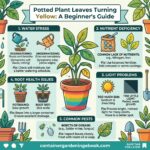
Seeing your potted plant leaves turning yellow is one of the most frustrating moments for any beginner gardener. When you have limited patio space and you invest time into growing a beautiful container garden, a failing plant feels like a huge setback. Please know that you do not lack a green thumb. Yellow foliage is rarely a mystery; it is simply your plant trying to communicate.
Affiliate Disclosure: This post contains affiliate links. If you make a purchase through these links, I may earn a small commission at no extra cost to you. I only recommend products I believe will add value to your gardening journey. Thank you for your support!
By learning a few simple horticulture-backed signs from experts like the University of Maryland Extension, you can easily diagnose the problem and nurse your patio plants back to vibrant health. For more tips, visit our container gardening blog.
WHY POTTED PLANT LEAVES TURN YELLOW HAPPENS SPECIFICALLY IN CONTAINER GARDENING
When you plant in a pot, you create a closed ecosystem. Unlike a backyard garden where roots stretch deep into the earth to find natural water tables and nutrients, a container plant relies entirely on what is inside its pot. This causes unique challenges. Water can pool at the bottom if drainage is poor, or soil can dry out unevenly, leaving the center bone-dry while the edges look wet.
Because container plants cannot seek out resources, they show stress fast. Thankfully, using modern solutions like fabric grow bags or self-watering planters gives you total control over these variables, making it much easier to prevent yellowing once you know what to look for.
QUICK DIAGNOSTIC CHECKLIST FOR POTTED PLANT LEAVES TURNING YELLOW
Use this simple step-by-step checklist to find out exactly what is bothering your plant.
Test the soil moisture. Push your finger two inches into the dirt. If it feels wet and muddy, your problem is overwatering. If it is completely dry and hard, it is underwatering. Inspect the container. Lift the pot and look underneath. Does it have drainage holes? If not, water is trapped, and roots are suffocating. Look at the leaf pattern. Are the bottom leaves turning yellow while the top looks fine?
This points to overwatering, a lack of nutrients, or natural aging. Check the leaf veins. Is the leaf yellow but the veins are still dark green? Your plant is starving for specific nutrients like iron or magnesium. Evaluate the light. Is a sun-loving vegetable or herb sitting in total shade? It is shedding leaves because it cannot photosynthesize enough energy.
Potting Mix Finder
QUICK FIXES FOR POTTED PLANT LEAVES TURNING YELLOW
Fix 1: Cure Wet Feet and Overwatering. When roots sit in soggy soil, they literally suffocate. Stop watering immediately. Ensure your pot has open drainage holes. If the soil is a swampy mess, gently slide the plant out and repot it into fresh, dry, lightweight potting mix.
Fix 2: Fix Compacted Soil. Heavy garden dirt compacts inside containers and strangles roots. Always use a dedicated potting mix designed for containers. If your current soil is rock hard, repot using a premium mix containing perlite, which adds tiny air pockets so roots can breathe. We recommend upgrading to Rosy Soil to prevent compaction.
Fix 3: Stop Nutrient Washout. Every time you water a potted plant, nutrients wash out the bottom. Apply a slow-release granular fertilizer like Perfect Plants to the top of the soil. It feeds the plant gradually every time you water, eliminating the need to mix messy liquid fertilizers.
Fix 4: Match the Plant to the Light. Map your patio light. Move sun-hungry edibles like tomatoes and peppers to spots getting 6 or more hours of direct sun, and shift delicate foliage plants to shaded corners so they do not scorch. To ensure strong growth, always start with high-quality seeds from Botanical Interests.
WHEN POTTED PLANT LEAVES TURN YELLOW ARE NORMAL
Not every yellow leaf is an emergency.
First, consider natural senescence, which is the aging process. As plants grow, they naturally shed their oldest, lowest leaves to direct energy toward new growth at the top. If one old leaf dies but the rest of the plant looks vibrant, pluck it off and do nothing else.
Second, expect an adjustment period. If you just brought a plant home from a greenhouse or recently repotted it, it may drop a few yellow leaves due to shock. Give it a week or two to adapt before making drastic changes. If managing multiple pots feels overwhelming, a Garden Tower is a great alternative to automate watering and feeding.
BEGINNER BUYING GUIDE: PREVENTING POTTED PLANT LEAVES TURNING YELLOW
Upgrading your foundational supplies is the easiest way to bypass beginner mistakes entirely.
Fabric Grow Bags: These breathable containers make it physically impossible to overwater. Excess moisture evaporates directly through the fabric sides, keeping roots highly oxygenated and preventing root rot.
Self-Watering Planters: These pots feature a built-in water reservoir at the bottom. The plant drinks exactly what it needs through a wicking system, keeping moisture levels perfectly even. These are highly recommended for busy apartment dwellers.
Premium Potting Mix: Look for an earth-friendly, peat-free potting mix that drains perfectly, such as Rosy Soil. Buying a lightweight soil blended with perlite or pumice is your absolute best defense against the suffocation that causes yellow leaves.
Slow-Release Fertilizer Granules mixed into the soil at planting provide targeted nutrients for up to six months. This prevents the slow starvation that leads to pale, yellowing plants. Perfect Plants makes an excellent slow-release option.
PEOPLE ALSO ASK: FAQ ABOUT POTTED PLANT LEAVES TURNING YELLOW
Can a yellow leaf turn green again?
No. Once a leaf turns completely yellow, the chlorophyll has permanently broken down. It is best to prune it off so the plant can focus its energy on pushing out healthy new leaves.
Should I cut off yellow leaves?
Yes. Gently pull or snip off yellow leaves. Dead foliage attracts pests and fungal diseases. If a leaf resists being pulled, leave it for a few more days until it easily detaches on its own.
Does overwatering or underwatering cause potted plant leaves turning yellow?
Both can cause yellowing, but overwatering is the culprit the vast majority of the time in container gardens. According to Clemson University Cooperative Extension, overwatered leaves feel soft and limp, while underwatered leaves usually turn yellow, dry out, and become crispy at the edges.
Why are my plant leaves turning yellow with brown spots?
This combination often indicates a fungal leaf spot infection caused by too much moisture sitting on the leaves, or it points to severe root rot from poor drainage. Improve airflow around the plant and let the soil dry out.
Is it safe to use coffee grounds for yellowing leaves?
While coffee grounds add nitrogen, they easily compact the soil inside a pot, trap moisture, and alter the pH unpredictably. For container gardening, it is much safer to use a balanced, slow-release fertilizer.
NEED MORE HELP?
Every plant and patio environment is unique. If you are still struggling with your potted plant leaves turning yellow, do not give up. Tell us about your setup in the comments below, or reach out to our community. What exact plant are you growing, and what do the yellow leaves look and feel like? Let us help you get your patio garden thriving again today.
Leave a Reply