HOW TO PROTECT SHADE PLANTS FROM SUMMER SUN: THE ULTIMATE PATIO MASTER GUIDE
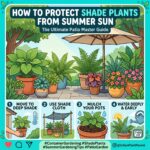
Learning how to protect shade plants from summer sun is the single most important skill for any apartment or patio gardener. If your beautiful ferns, hostas, or begonias are looking crispy, brown, or bleached-out, do not panic.
Affiliate Disclosure: This post contains affiliate links. If you make a purchase through these links, I may earn a small commission at no extra cost to you. I only recommend products I believe will add value to your gardening journey. Thank you for your support!
You did not fail, and you have not lost your green thumb even if you have killed a houseplant or two in the past. What your garden is experiencing is a common condition called leaf scorch.
The most important rule to remember is that leaf scorch is a physical injury caused by sun, heat, and dehydration, not a disease. Because it is a straightforward environmental physical injury, you can easily reverse it and save your balcony sanctuary.
Beginner Quick Fixes: How to Protect Shade Plants from Summer Sun Right Now
-
Move the Container: Shift the affected plant into a fully shaded spot immediately.
-
Deep Hydration: Water the soil thoroughly until water drains freely out of the bottom holes.
-
Save the Leaves: Keep all partially damaged leaves on the plant to shade the inner crown.
-
Stop the Food: Pause all fertilization and do not use any plant food right now.
-
Insulate the Roots: Place warm plastic pots inside larger decorative pots to shield sensitive roots.
Why Patios Need Shade Plant Sun Protection
Balconies and small patios create intense mini-climates that trap heat. When plants experience leaf scorch in these spaces, it is vital to remember this is a physical injury caused by sun, heat, and dehydration, not a disease.
Shifting Summer Sun Angles
A spot on your balcony that was perfectly dark and safe in May might get hit by a brutal, two-hour glare of afternoon light in July. This happens because the sun climbs naturally higher in the sky as the season progresses.
Concrete Heat Radiation
Materials like concrete, brick, and metal absorb intense daytime heat like a giant battery. They radiate that thermal energy right back onto your containers, cooking them from the outside in.
Container Overheating
Thin plastic pots have absolutely no built-in insulation. The summer sun warms the soil inside the pot rapidly, which dehydrates the roots and causes the leaves to collapse.
Hot Wind Dehydration
Hot summer air sweeps across elevated balconies and pulls moisture directly out of the leaf tissue. This happens faster than the root system can drink, leaving the edges dry and crunchy.
How to Protect Shade Plants from Summer Sun by Engineering a Patio Microclimate
You do not need a massive backyard to build a safe, cool environment for your plants. You can engineer a protective microclimate right on your balcony using smart layout choices.
Start by moving your most delicate shade lovers close to your apartment wall. This is where building overhangs provide the deepest shadows.
Next, use taller, sun-loving plants like tomatoes, peppers, or sun-hardy herbs as natural interceptors. Place these sun-tolerant plants directly in front of your ferns or begonias to block the direct glare.
If you are dealing with tight balcony footprints where moving individual pots creates cluttered chaos, vertical engineering is your best asset. The Garden Tower Vertical Ecosystem allows you to grow up to 50 plants in a compact, vertical footprint.
Because the entire tower rotates a full 360 degrees on an integrated turntable, you can easily spin your delicate varieties into the shadows. This allows you to step away from harsh afternoon sun shifts with a single gentle push.
You can also utilize temporary shade cloth angles. Secure a piece of woven shade cloth at a 45-degree angle over your balcony railing to intercept the direct afternoon light while allowing refreshing air to circulate underneath.
Container Garden Tips: How to Protect Shade Plants from Summer Sun
Because your garden grows in containers, you have the ultimate advantage of mobility. You can easily apply specific container fixes to stop leaf scorch. Just keep in mind that your goal is to treat a physical injury caused by sun, heat, and dehydration, not a disease.
Double-Potting Insulation
Take your plant’s plastic nursery pot and drop it directly into a larger, heavy planter. Fill the empty space between the two pots with damp moss or crumpled paper to create an insulating shield. If you need heavy-duty, weather-resistant outer pots delivered straight to your door, look through the collection at Perfect Plants Nursery.
Moisture-Control Soil
When you repot your plants, choose high-quality potting mixes infused with organic materials like biochar or coco coir. These ingredients act like tiny internal sponges that retain hydration evenly.
For an organic, highly resilient foundation, we recommend Rosy Soil. Their specialty biochar blends are engineered to optimize moisture levels at the root layer without suffocating the plant.
Self-Watering Containers
These special pots feature built-in water reservoirs at the base. They allow your patio plants to sip water consistently from the bottom up throughout the hottest hours of the day.
Pebble Trays
Fill a shallow tray with small stones and water, then set your plant pot directly on top of the stones. As the water evaporates, it creates a localized pocket of cool, humid air around delicate fronds.
Moveable Shade
Place your largest, heaviest containers on rolling plant caddies. This allows you to effortlessly push your garden into the shadows as the afternoon sun shifts.
A Beginner Shopping List to Protect Shade Plants from Summer Sun
If you want to invest in high-quality gear that guarantees success and takes away the guesswork, build your setup around these reliable solutions:
-
Smart Containers: The Garden Tower System rotates easily out of sun-scorch pathways and includes a built-in organic composting well.
-
Premium Biochar Soil: Blends from Rosy Soil hold water naturally to extend the time between waterings during brutal summer weeks.
-
Heavy-Duty Pots & Supplies: Explore Perfect Plants Nursery for professional-grade containers and proper drainage amendments.
-
Microclimate Fillers: Grab shade-tolerant seeds from Botanical Interests to densely plant your space and create natural understories.
-
Soil Moisture Meter: A simple probe tool you push into the dirt to see instantly if your plant is dry, moist, or wet.
Common Mistakes to Avoid When Learning How to Protect Shade Plants from Summer Sun
When we notice our patio plants struggling, our instinct is often to try too hard, which can accidentally make the problem worse. Always remember that leaf scorch is a physical injury caused by sun, heat, and dehydration, not a disease.
-
Never Fertilize Stressed Plants: Adding plant food forces a sunburned plant to grow when it needs to focus entirely on basic hydration and survival.
-
Stop Midday Misting: Spraying water onto foliage under the hot sun can turn the water droplets into tiny magnifying lenses that accelerate solar burning.
-
Do Not Repot in July: The middle of summer is the worst time for major transplanting. The root shock combined with high heat can be fatal, so use the double-potting method instead.
-
Avoid Over-Pruning: If a leaf is only partially brown or bleached, leave it alone. It is still creating food for the root system and acting as a physical umbrella.
-
Put Away the Fungicides: Because leaf scorch is an environmental sunburn and not a living sickness, spraying chemical treatments will only add unnecessary chemical stress.
Long-Term Prevention: How to Protect Shade Plants from Summer Sun Ahead of Next Year
Once you navigate the peak of summer, you can set your balcony up for long-term prevention so you never have to deal with a plant crisis next season.
Choose Tougher Cultivars
When buying new plants next spring, look for varieties engineered for resilience. Thick, waxy, solid green or chartreuse hostas handle shifting sun significantly better than thin, white-centered varieties.
Add Structural Shade
Install a patio umbrella, a privacy screen, or a decorative lattice panel on the sunniest side of your balcony to block the light permanently.
Track Sun Path Changes
Pay close attention to how the light lines move across your floor in May compared to July, and map out your plant arrangement before the heatwave hits.
Improve Your Soil Structure
Incorporate rich organic compost or worm castings into your pots at the start of the season to naturally maximize water retention.
Design Multi-Tier Shade
Create a mini jungle layout by placing sun-hardy plants on elevated shelves. This allows them to cast a protective shadow over the sensitive ferns and begonias sitting on the floor below.
FAQ: How to Protect Shade Plants from Summer Sun
Why are my hosta leaves turning white?
When hostas get too much direct summer sun, the solar radiation breaks down the green chlorophyll in the tissue. This bleaches the leaf surface, turning it a pale yellow or a thin, paper-white color. Remember, this is a physical injury caused by sun, heat, and dehydration, not a disease.
Can shade plants actually sunburn?
Yes, absolutely. Shade plants have thin, delicate leaves specifically adapted to capture low light levels. When exposed to harsh, direct summer rays, the cells quickly overheat and collapse, leading to permanent burn marks.
How do I cool container soil?
You can cool container soil by shading the outer walls of your pots, using light-colored containers that reflect solar energy, applying a thick layer of organic mulch over the dirt, and watering thoroughly during the cool morning hours.
What shade cloth percentage should I use?
For typical patio shade lovers like hostas, begonias, and ferns, a 30% to 50% woven shade cloth is ideal. This rating filters out the burning ultraviolet rays while still allowing enough ambient, indirect light through for healthy growth.
Final Checklist: How to Protect Shade Plants from Summer Sun All Season
To keep your balcony sanctuary safe, green, and beautiful all summer, follow these core habits:
-
Monitor your patio sun angles as the seasons transition.
-
Shift sensitive containers into structural shadows during peak afternoon hours.
-
Water the soil deeply during the cool morning or evening hours, never the leaves at midday.
-
Cluster your pots together to build a self-shading, humid microclimate.
-
Insulate thin plastic pots inside larger, heavier decorative planters.
-
Keep partially damaged leaves on the plant to protect the roots from thermal stress.
-
Always remember that leaf scorch is a physical injury caused by sun, heat, and dehydration, not a disease.
💡 Want more bite-sized container gardening tips? Whether you are looking to grow fresh kitchen herbs or troubleshoot yellowing leaves, dive into our library of beginner-focused guides over at the Container Gardening Blog.
Leave a Reply