Growing Potatoes in Containers: The Ultimate Small-Space Guide
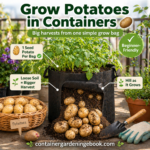
If you dream of harvesting fresh, organic vegetables but feel limited by a small balcony, a cramped fire escape, or a total lack of yard space, learning how to grow potatoes in containers is your ultimate gardening solution. Many beginners feel intimidated by the perceived complexity of agriculture, but growing potatoes in containers is among the most resilient and rewarding projects for the home grower.
Disclosure: This post contains affiliate links. If you use these links to buy something, I may earn a commission at no extra cost to you. This helps support the blog and keeps the garden growing!
By using the right gear and implementing expert-backed techniques for how to grow potatoes in containers, you can produce a massive, nutrient-dense harvest in just a few square feet. Growing potatoes in containers transforms a simple patio into a productive homestead. For more deep dives into growing potatoes in containers and sustainable living, check out our latest tips at the Container Gardening Blog at containergardeningebook.com/blog.
Why Growing Potatoes in Containers Works for Small Spaces
The concept of growing potatoes in containers works effectively because it offers the grower total environmental control. Expert consensus on growing potatoes in containers highlights several distinct advantages that make containers the superior choice for beginners.
First, growing potatoes in containers offers superior drainage. Potatoes are susceptible to rot if they sit in waterlogged earth; this approach allows you to manage moisture with precision.
Second, growing potatoes in containers significantly reduces pest pressure. Most potato pests live in the ground soil, but when you are growing potatoes in containers, you bypass these hidden threats. Finally, growing potatoes in containers eliminates the back-breaking labor of traditional farming.
When you embark on the journey of this gardening method, you are effectively taking the uncertainty out of the equation. In a traditional garden bed, the soil might have been depleted of nutrients over decades, or it might be infested with persistent fungal spores. However, when you start this gardening method, you begin with a blank slate. You provide the ideal medium, the exact nutrient profile, and the perfect drainage environment. This level of control is exactly why container gardening for beginners has become the preferred method for modern urbanites who want to see guaranteed results from their effort.
Growing potatoes in containers also allows for an extended growing season. Because containers are portable, you can move them into warmer microclimates as the weather shifts. In the early spring, you might place your bags in a sunny spot against a brick wall that radiates heat. As the scorching summer heat arrives, you can shift your pots into dappled shade to prevent the roots from overheating. This adaptability is one of the many reasons why growing potatoes in containers has become a viral sensation in the gardening world. It makes the process inclusive for everyone, regardless of the size of their outdoor living space.
Best Containers for Growing Potatoes: Bags vs. Pots
Choosing the best containers for growing potatoes is the foundation of your success. A potato plant’s yield is directly proportional to the space its roots have to expand and the breathability of its environment. Most experts recommend a minimum volume of at least 10 gallons per plant.
Potato Grow Bags: These are widely considered the industry gold standard for growing potatoes in containers. Breathable potato grow bags, such as the professional-grade options from Perfect-Plants, provide air-pruning. When you grow in these bags, the plant produces a massive web of fibrous lateral roots rather than becoming root-bound. This dense root architecture leads directly to a higher volume of potato varieties for containers to thrive.
Vertical Success: For those growing potatoes in containers with zero floor space, the Ggarden-Tower 2 is a revolutionary choice. This system allows you to master how to grow potatoes in containers vertically alongside 50 other plants.
Traditional Pots: If you prefer professional-grade plastic or ceramic, Perfect Plants offers durable options. However, most people growing potatoes in containers prefer potato grow bags for their superior aeration.
When considering the best containers for growing potatoes, the choice between fabric and plastic often comes down to your watering habits and local climate. In extremely hot, dry regions, plastic containers might help retain moisture a bit longer, but they come with the risk of overheating the root system. Fabric options, on the other hand, allow for excellent airflow, which naturally cools the soil through evaporation. This thermal regulation is essential because once the soil temperature exceeds 75 degrees Fahrenheit, potato plants often stop producing tubers and focus entirely on survival. By choosing high-quality containers from Perfect Plants, you are investing in a system that protects your harvest from the stresses of summer.
Finding the Best Soil for Container Potatoes
Finding the best soil for container potatoes is vital because they are heavy feeders. The best soil for container potatoes must be loose, slightly acidic, and well-draining. Never use standard garden soil when growing potatoes in containers; it is far too heavy. To find the best soil for container potatoes, use the potting_mix_finder tool for a precise recipe. We recommend a base like Rosy Soil at Rosy-Soil as the best soil for container potatoes because it provides the aeration required for hilling potatoes in containers.
The science behind the best soil for container potatoes involves a balance of water retention and porosity. Potatoes need a constant supply of moisture, but they cannot tolerate standing water. If the soil stays too wet, the seed potato may rot before it even sprouts. Conversely, if the soil is too sandy and drains too quickly, the plant will struggle to absorb the nutrients it needs. High-quality mixes like Rosy Soil solve this by incorporating organic matter that holds moisture like a sponge while remaining fluffy enough for oxygen to reach the roots. This oxygen is vital because root respiration is what powers the growth of those delicious tubers.
Another factor to consider when sourcing the best soil for container potatoes is the presence of beneficial microbes. In the wild, plants have symbiotic relationships with fungi and bacteria that help them break down minerals. When you use this gardening method, those natural partners are often missing. By using a biologically active medium like Rosy Soil, you are reintroducing that microscopic workforce. These microbes not only help your plants grow faster but also act as a natural defense system against pathogens. It is a more holistic approach to gardening that ensures your plants are healthy from the inside out.
Potting Mix Finder
Step-by-Step: How to Grow Potatoes in Containers
Follow this proven expert timeline to ensure a successful harvest from start to finish.
Step 1: Preparation (Weeks 1-2). Purchase certified potato varieties for containers from Botanical Interests at Botanical-Interests. Learning how to grow potatoes in containers starts with chitting or sprouting your seeds in a bright room.
Step 2: Planting (Day 1). Fill the bottom 6 inches with the best soil for container potatoes. Place your seed potatoes with sprouts facing up and cover with 2 inches of soil.
Step 3: Hilling Potatoes in Containers (Weeks 3-8). Hilling potatoes in containers is the secret to a huge yield. As green stems grow, add more best soil for container potatoes from Perfect Plants until only the top leaves are visible. Repeat this process of hilling potatoes in containers until the potato grow bags are full.
Step 4: Maintenance (Weeks 8-14). Watering potatoes in pots is critical now. Maintain consistent moisture while this gardening method to support tuber development.
The process of hilling potatoes in containers is perhaps the most misunderstood step for beginners. Many people assume that once the potato is in the ground, their work is done. However, hilling potatoes in containers is what actually triggers the plant to produce a massive crop. Think of the potato plant as having two parts: the roots that gather water and the stolons that grow into potatoes. Stolons only grow from the stem that is hidden in darkness. By gradually hilling potatoes in containers as the plant reaches for the sun, you are creating a tall, dark underground chamber where layers of potatoes can stack on top of each other. This is why a 10-gallon container can produce such an impressive amount of food.
Watering Potatoes in Pots and Sunlight Requirements
Sunlight: Growing potatoes in containers requires at least 6 to 8 hours of direct sunlight daily. If you are this gardening method on a shady balcony, move your lightweight potato grow bags throughout the day.
Watering: Watering potatoes in pots requires a delicate balance. When watering potatoes in pots, use the knuckle test: stick your finger 2 inches into the soil; if it feels dry, water deeply. Watering potatoes in pots daily may be necessary in the peak of summer, as this gardening method dries out significantly faster than the ground. Consistent watering of potatoes in pots prevents misshapen tubers.
Managing the environment is the most time-consuming part of growing potatoes in containers. If you live in an urban apartment, your balcony might get intense afternoon sun followed by hours of deep shadow. This is where the portability of your potato grow bags becomes a massive advantage. You can track the sun across your patio, ensuring your plants get the high-intensity light they need to fuel photosynthesis. Without enough light, the plant will produce beautiful leaves but fail to bulk up the tubers. It is the sun’s energy that is eventually stored as starch in the potatoes you harvest.
When it comes to watering potatoes in pots, the key is deep, thorough hydration. Shallow watering only moistens the top inch of soil, leaving the roots at the bottom of the container thirsty. When you are watering potatoes in pots, keep going until you see water dripping from the bottom of the bag. This ensures that the entire root zone is hydrated. However, you must also be careful not to create a swamp. This is why the best containers for growing potatoes always have excellent drainage. If the water can’t escape, the roots will rot, and your gardening method project will come to a premature end.
Best Potato Varieties for Containers to Increase Yield
Selection is the most overlooked factor in container gardening for beginners. Source these expert-recommended potato varieties for containers from Botanical Interests at Botanical-Interests:
-
Yukon Gold: A classic for this gardening method with a buttery flavor.
-
Red LaSalle: Excellent potato varieties for containers for high yields and thin skins.
-
Russian Banana Fingerlings: Gourmet potato varieties for containers that thrive in potato grow bags.
When choosing between potato varieties for containers, it is helpful to understand the difference between early, mid-season, and late-season varieties. Early varieties, often called new potatoes, are perfect for those who want a quick harvest. They are usually ready in about 70 to 80 days. Mid-season and late-season potato varieties for containers take longer—sometimes up to 120 days—but they often produce larger tubers that are better for long-term storage. By planting a mix of different potato varieties for containers, you can stagger your harvest throughout the summer and fall. This ensures you always have fresh potatoes on hand for your favorite recipes.
Another consideration for potato varieties for containers is skin color and texture. Some varieties are waxy, which makes them perfect for boiling and salads because they hold their shape. Others are starchy, which makes them the ideal choice for baking or mashing. For example, a Red LaSalle is a fantastic waxy potato, while a Yukon Gold sits somewhere in the middle, making it one of the most versatile potato varieties for containers you can grow. Botanical Interests provides detailed descriptions for all their seeds, helping you choose the perfect match for your culinary needs.
Troubleshooting Common Container Potato Problems
Even when this gardening method, challenges can arise. If you see brown spots, improve airflow and be careful when watering potatoes in pots to keep leaves dry. If your this gardening method results in small yields, check your sunlight or your best soil for container potatoes. Green skins are a sign you missed a step in hilling potatoes in containers; always keep tubers covered.
Beyond the basics, you might encounter issues with common pests like aphids or potato beetles. Because you are using this gardening method, you can often manage these manually. A quick spray with a hose or a light application of neem oil is usually enough to keep these visitors at bay. If you notice the leaves are turning yellow prematurely, it could be a sign of a nutrient deficiency. In this case, a liquid kelp or fish emulsion fertilizer can provide a quick boost. Remember, the goal of growing potatoes in containers is to stay ahead of the problems. Regular inspection of your plants is the best way to ensure a healthy harvest.
Beginner Mistakes to Avoid When Growing Potatoes in Containers
Overcrowding: One of the biggest mistakes in how to grow potatoes in containers is putting too many seeds in one bag. Stick to one seed potato per 10-gallon bag. Using Store Spuds: Always buy certified potato varieties for containers from Botanical Interests. Neglecting Hilling: Skipping the hilling potatoes in containers process leads to green, toxic crops.
Another mistake is forgetting to fertilize. While high-quality soil like Rosy Soil is packed with nutrients, a potato plant is an incredibly efficient nutrient-consuming machine. By mid-season, the plant will have used up much of what was available in the initial mix. This is why supplemental feeding is so important. Think of it as a mid-race energy boost for your plants. A balanced, organic liquid fertilizer will provide the potassium needed for bulking up the tubers without causing the plant to put out excessive foliage. It’s a simple step that can double your final weight at harvest time.
Finally, don’t be tempted to harvest too early just because you’re excited. While new potatoes are delicious, the real weight gain happens in the final weeks of the plant’s life. If you pull the plant while the leaves are still vibrant and green, you are leaving a lot of food in the ground. Patience is a virtue when you are using this gardening method. Wait for those first signs of yellowing, and then give the plant a few more days to finish the curing process. Your patience will be rewarded with larger, tastier potatoes that are much more satisfying to eat.
When and How to Harvest Potatoes in Containers
The harvest is the most rewarding part of this gardening method. New Potatoes: Harvest 2 to 3 weeks after flowering. Main Crop: Wait until the foliage turns yellow and dies back completely. The Harvest: Tip over your potato grow bags and sift through the best soil for container potatoes. This gardening method makes harvesting a fun treasure hunt.
The beauty of the harvest when you use this gardening method is the lack of mess. In a traditional garden, you would be covered in mud and battling weeds to find your crop. But with a container, you can simply spread a tarp on your driveway or balcony and tip the bag over. The soil will be loose and friable, making it incredibly easy to find even the smallest fingerling potatoes. It is an activity that children love, as it feels like discovering buried treasure. Once you have found all your potatoes, the remaining soil can be composted or used for non-related plants in your next gardening project.
Frequently Asked Questions
How many potatoes do you get when growing potatoes in containers? Generally, you can expect 5 to 10 tubers per plant when following the correct steps for how to grow potatoes in containers. This can vary depending on the variety and the size of your container.
Do potatoes grow well in potato grow bags? Yes, potato grow bags are the best containers for growing potatoes because they prevent root circling and offer superior aeration. This ensures the roots stay healthy and productive throughout the season.
What is the best soil for container potatoes? A mix of 50 percent potting mix and 50 percent compost, like Rosy Soil, is the best soil for container potatoes. This provides the perfect balance of drainage and nutrition.
Is hilling potatoes in containers really necessary? Absolutely. Without hilling potatoes in containers, your harvest will be much smaller and many of your potatoes will turn green and become inedible due to sun exposure.
How often should I be watering potatoes in pots? It depends on your climate, but in the summer, you should expect to be watering potatoes in pots at least once every day or two. Always check the soil moisture before adding more water.
Conclusion: Start Growing Potatoes in Containers Today
Mastering how to grow potatoes in containers is one of the most fulfilling skills an urban gardener can acquire. By following these steps for this gardening method and using high-quality potato grow bags, you bypass the common pitfalls of traditional gardening. Whether you are focused on hilling potatoes in containers or selecting the best potato varieties for containers, the result is the same: fresh, delicious food grown right outside your door. Visit the Container Gardening Blog at containergardeningebook.com/blog for more on how to grow potatoes in containers and other small-space tips. Growing potatoes in containers is the first step toward a more sustainable lifestyle. Happy growing potatoes in containers!
Leave a Reply