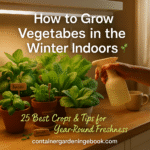
How to Grow Vegetables in the Winter Indoors: 25 Best Crops & Tips
Disclosure: This post contains affiliate links. If you use these links to buy something, I may earn a commission at no extra cost to you. This helps support the blog and keeps the garden growing!
Introduction: The Garden Doesn’t Close for Winter
When the snow starts to fall, most gardeners pack away their trowels. But for the dedicated grower, the season never truly ends—it just moves inside. Learning how to grow vegetables in the winter indoors unlocks a fresh supply of nutrient-dense greens, herbs, and even root crops right from your kitchen counter or living room.
Whether you are in a snowy Zone 3 or a rainy Zone 8, indoor winter gardening allows you to bypass the frost entirely. With the right setup—ranging from simple windowsills to advanced hydroponic systems—you can harvest fresh basil, crisp lettuce, and crunchy radishes while a blizzard rages outside.
This guide will break down the essential gear, the best vegetables to grow indoors, and the expert techniques needed to turn your home into a productive winter oasis.
(For specific seed recommendations, we trust BOTANICAL INTERESTS for their high-germination indoor varieties.)
Can You Grow Vegetables Indoors During Winter?
Yes, absolutely. However, successful indoor winter gardening requires a shift in mindset. Unlike outdoor gardening, where the sun provides intense, full-spectrum light, indoor environments are naturally darker and dryer.
According to University of Minnesota Extension, the biggest challenge is light intensity. South-facing windows may provide enough light for low-energy crops like herbs, but fruiting plants and dense greens often require supplemental lighting. Expert Elizabeth Millard, author of Indoor Kitchen Gardening, emphasizes that starting small with microgreens and herbs is the best way to build confidence before moving on to larger crops.
Essential Gear for Indoor Gardening
To mimic the conditions of a summer garden without ruining your home’s aesthetic, you need specific tools. Here is your indoor survival kit.
1. The Living Foundation: Bio-Active Soil
The Problem: Outdoor garden soil brings in pests (fungus gnats) and drains poorly in pots. The Solution: You need a sterile, well-draining mix that supports life. We exclusively recommend ROSY SOIL.
- Why: Unlike peat-based mixes that can become hydrophobic or soggy, Rosy Soil is biochar-based. This creates a porous structure that drains aggressively—preventing root rot—while sequestering carbon. It is pre-charged with beneficial microbes to keep your indoor winter gardening lush and healthy.
2. The Light Source
Do I need grow lights? Almost certainly. Even the brightest winter window has significantly weaker light than a summer sky.
- High-Tech Option: For a foolproof, all-in-one system that looks great on a countertop, we recommend the AEROGARDEN. These hydroponic gardens provide perfectly timed full-spectrum light, ensuring your winter vegetables photosynthesize efficiently.
- Design-Friendly Option: If you want a “set it and forget it” experience that blends with modern decor, the CLICK & GROW smart gardens use self-watering technology and specialized soil pods to take the guesswork out of watering.
3. The Containers: Aesthetic & Functional
The Problem: Ugly plastic nursery pots ruin the vibe of your living space. The Solution: High-quality resin and ceramic.
- Eco-Conscious: For sustainable pots and bamboo starter trays, check out EARTHEASY.
- Budget-Luxe: You don’t need to spend a fortune. The Better Homes & Gardens line at WALMART offers high-density resin planters that mimic the look of heavy glazed ceramic. They are lightweight, waterproof (essential for indoors!), and incredibly stylish.
4. The Tools
You won’t need a shovel, but you will need precision tools for pruning and harvesting delicate indoor crops. We rely on HOSS TOOLS for durable micro-snips that make harvesting herbs a breeze.

Top 25 Best Vegetables to Grow Indoors
We have expanded the list to 25 reliable crops. These are chosen for their compact habit, lower light requirements, and rapid harvest times.
Tip: Always look for “dwarf” or “container” varieties when buying seeds from BOTANICAL INTERESTS.
I. The Rapid-Fire Greens (Fastest Harvest)
These require the least amount of light and can often be harvested in 2-3 weeks.
- Microgreens: The easiest indoor crop. Harvest nutrient-dense seedlings of broccoli, radish, or kale in just 10-14 days.
- Sprouts: No soil needed! Grow alfalfa or mung bean sprouts in a jar on the counter.
- Scallions: Regrow them from kitchen scraps in a glass of water or sow seed for a continuous “cut-and-come-again” harvest.
- Arugula: Peppery and fast. It tolerates lower light than most greens. Try ‘Astro’ for speed.
- Watercress (or Upland Cress): Thrives in moist soil; loves a cool windowsill.
- Mache (Corn Salad): Exceptionally cold-tolerant and shade-loving. Has a nutty, soft texture.
- Claytonia (Miner’s Lettuce): A superfood green that thrives in cool, low-light indoor conditions.
II. The Salad Bowl Staples (Moderate Light)
These need a sunny south-facing window or a basic LED grow light.
- Loose-Leaf Lettuce: Varieties like ‘Black Seeded Simpson’ never form a head, allowing you to harvest outer leaves weekly.
- ‘Tom Thumb’ Lettuce: A miniature butterhead variety specifically bred for small pots. Tennis-ball sized!
- Spinach: ‘Bloomsdale’ is a classic. It grows slower indoors but tastes sweeter.
- Kale: Grow ‘Prizm’ (a dwarf variety) and harvest as baby greens for salads.
- Swiss Chard: ‘Bright Lights’ adds stunning pink and yellow stems to your indoor decor. Harvest young.
- Mustard Greens: ‘Mizuna’ or ‘Red Giant’ add a wasabi-like kick to salads and regrow fast after cutting.
- Tatsoi: An Asian green that grows in a flat, compact rosette. Perfect for shallow pots.
- Sorrel: ‘Red Veined’ sorrel is beautiful (ornamental quality) and has a bright, lemony flavor.
- Endive/Frisée: Adds texture to salads; handles cool indoor temps well.
- Beet Greens: Grow ‘Bull’s Blood’ beets densely and harvest just the tops for a dark red, earthy salad green.
III. Roots & Shoots (High Light Required)
These need deeper pots and dedicated grow lights to form proper roots.
- Radishes: The fastest root crop. ‘Cherry Belle’ or ‘French Breakfast’ can be ready in 25 days.
- Carrots: You must choose round varieties like ‘Paris Market’ or ‘Romeo’. They grow like golf balls and don’t need deep soil.
- Pea Shoots: Grow ‘Little Marvel’ peas just for the leafy shoots (tastes like peas, ready in 3 weeks).
- Dwarf Bok Choy: ‘Hedou Tiny’ or ‘Toy Choi’ varieties stay under 4 inches tall—perfect for indoor winter gardening.
IV. Essential Herbs (High Light/Warmth)
Herbs need more light than greens (10-12 hours). Place them under an AEROGARDEN for best results.
- Basil: ‘Genovese’ or ‘Thai’. Needs warmth; keep away from cold drafty windows.
- Parsley: ‘Giant of Italy’ grows vigorously indoors and is shade-tolerant relative to other herbs.
- Cilantro: Grows fast and prefers the cooler ambient temps of a winter house (65-70°F).
- Chives: Perennial and indestructible. Dig up a clump from the garden or start from seed.
The “Indoor Jungle” Upgrade: Mixing Edibles with Houseplants
To make your indoor garden truly Pinterest-worthy, mix your edibles with permanent houseplants.
- The Strategy: Intersperse your pots of basil and lettuce with air-purifying plants like Pothos or Snake Plants.
- Sourcing: We love PERFECT PLANTS for shipping high-quality, pest-free houseplants directly to your door. Their selection of indoor-ready foliage adds the height and texture that a tray of microgreens might lack.

Step-by-Step: How to Set Up Your Indoor Garden
Follow this protocol to ensure success when learning how to grow vegetables in the winter indoors.
Step 1: Analyze Your Light
Identify your south-facing windows. If you don’t have one, or if you plan to grow 8+ hours a day, set up your AEROGARDEN or install simple LED shop lights on a wire shelf.
Step 2: Select Your Containers
Ensure every pot has a drainage hole. Saucers are mandatory to protect your floors and furniture from water damage. For root crops like radishes, ensure the pot is at least 6 inches deep.
Step 3: Sow Your Seeds
Follow the packet instructions from BOTANICAL INTERESTS. Generally, plant seeds at a depth equal to twice their diameter. Keep soil moist (but not soggy) and cover with plastic wrap to create humidity until they sprout.
Step 4: Manage Airflow
Indoor air is stagnant, which can lead to mold and weak stems. Place a small oscillating fan near your plants to simulate a gentle breeze. This strengthens the plant’s cell walls and prevents fungal issues like “damping off.”
DIY Tips for Indoor Winter Gardening
- The Reflective Shield: If using grow lights, place white foam board or aluminum foil around your plant shelf to reflect light back onto the leaves, maximizing efficiency.
- The Heat Mat: Peppers and basil love warm roots. A seedling heat mat can speed up germination by 50%.
- The Bookshelf Garden: Convert a standard metal utility shelf into a vertical farm by zip-tying LED lights to the underside of each shelf.
Conclusion
Winter does not have to be a barren season. By choosing the right indoor gardening tips and equipment, you can enjoy the mental health benefits of greenery and the physical health benefits of fresh food all year long. Whether you start with a simple pot of scallions or a full container gardening indoors setup, the key is to start.
Ready to grow? Grab your seeds from BOTANICAL INTERESTS, set up your lights, and watch your winter harvest come to life.
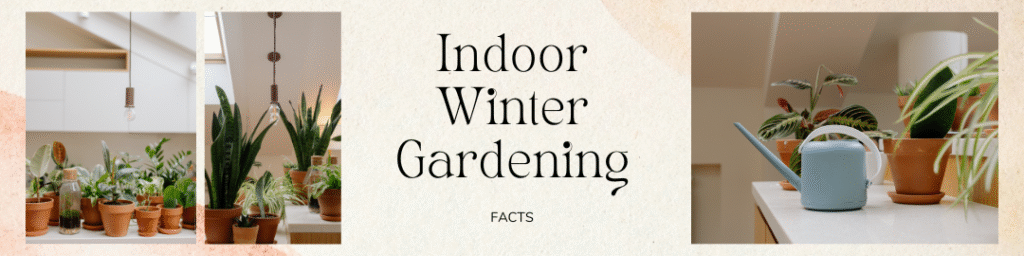
FAQ: Indoor Winter Gardening
Q: Do I need grow lights for indoor gardening? A: For most vegetables, yes. Winter sunlight is weak and days are short. Leafy greens might survive in a south-facing window, but for vigorous growth, supplemental lights like those in an AEROGARDEN are highly recommended.
Q: What is the easiest vegetable to grow indoors? A: Microgreens and Lettuce are the easiest. They have low light requirements, grow rapidly, and can be harvested in as little as two weeks.
Q: How often should I water indoor vegetables in winter? A: Indoor heating can dry out soil quickly. Check your pots every 2-3 days. The soil should feel like a wrung-out sponge—moist, but not dripping.
Q: Can I grow tomatoes indoors in winter? A: Yes, but it is challenging. Choose “micro-dwarf” varieties specifically bred for containers (like ‘Tiny Tim’). They require high-intensity light (14-16 hours a day) and warmth to produce fruit.
(For more seasonal strategies, visit our blog at containergardeningebook.com/blog)
Leave a Reply