Flowers That Bloom In Late Winter: 7 Easy Secrets
Disclosure: This post contains affiliate links. If you use these links to buy something, I may earn a commission at no extra cost to you. This helps support the blog and keeps the garden growing!
I’m writing this from my parents’ old house, looking out at the patio. Living in this house after losing them both has been… well, a journey. Some days it feels like a warm hug; other days, it just feels like a lot of dusting.
But the one thing that truly bridges the gap between their generation and my chaotic life is the garden. Specifically, the pots. Grandpop was all about the veggies, but Grandma? She needed beauty. She taught me that you don’t need a sprawling estate or a trust fund to have a garden that makes you smile when it’s 35 degrees and gray. You just need a few pots and a little insider knowledge.
If you’re like me (when I was younger)—juggling kids, a partner, and a desperate need for “self-care” that doesn’t involve a $200 spa day—you need a win. You need nature, but you also need to pay the mortgage. So, let’s talk about flowers that bloom in late winter. It’s not a myth. It’s the ultimate hack for beating the February blues without breaking the bank.
Here are 7 easy secrets I learned from Grandma, Grandpop, (and the internet) to get that “Modern Farmhouse” look on a “macaroni and cheese” budget.
- 1. Meet the “Goth Girl” of the Garden: Hellebores
- 2. The “Gas Station Flower” Glow-Up (Violas)
- 3. Foliage is the New Flower (Heuchera & Kale)
- 4. The “Thriller, Filler, Spiller” Recipe
- 5. The “Pot-in-Pot” Method (Save Your Back & Your Cash)
- Grandpop’s Way
- 6. Forage Like a Squirrel (The $0 Budget Tip)
- 7. It’s Not Just Gardening, It’s Therapy
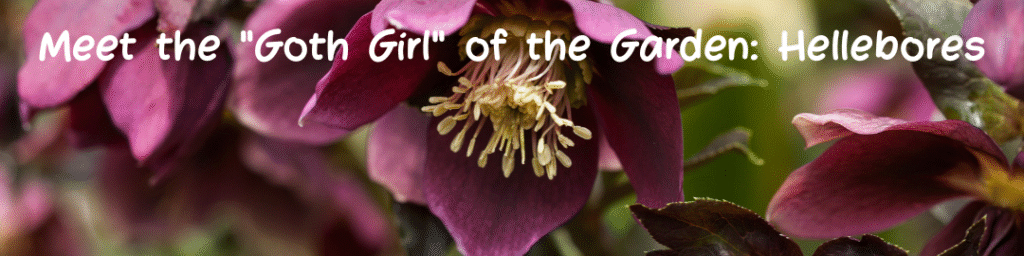
1. Meet the “Goth Girl” of the Garden: Hellebores
Grandma called them Lenten Roses, but I call them the “Goth Girls” of the winter garden. These are the absolute queens of flowers that bloom in late winter. They come in moody shades of slate purple, dusty pink, and greenish-white—perfect for that chic, muted aesthetic we’re all pinning on Pinterest right now.
The Secret: They are tough as nails. I’ve seen Hellebores freeze solid, looking like they’ve given up the ghost, only to perk right back up the moment the sun hits them.
Where to get them: I used to scour big box stores for these, but they always looked a bit sad. I started ordering from Perfect Plants because they are family-owned (which feels very on-brand for this house) and they specialize in winter bloomers like Hellebores and Camellias. Their shipping is solid, so the plants actually arrive looking like they want to live.
The Parent Warning: They are toxic if eaten. If you have a dog that treats the world like a buffet, or a toddler currently in the “does this taste like dirt?” phase, keep these in a tall planter out of reach.
2. The “Gas Station Flower” Glow-Up (Violas)
Okay, hear me out. You know those cheap flats of Pansies and Violas you see at the gas station or grocery store? They are legit winter warriors. Specifically, Violas (the smaller cousins of Pansies) are incredibly cold-hardy. They don’t just survive; they thrive when the temperature drops, bouncing back even after being covered in snow.
The Secret: Don’t buy the mixed-color flat that looks like a clown exploded. Buy two flats of all white or all deep purple. Planting them in a solid block of color makes your $15 investment look like a $500 landscape designer was involved. Grandma always said, “Mass planting hides a multitude of sins.”
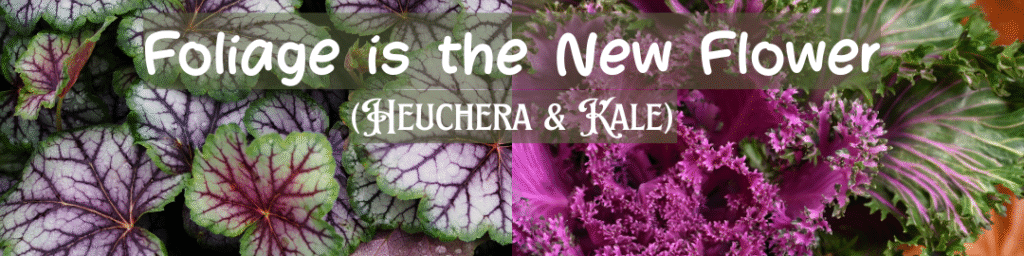
3. Foliage is the New Flower (Heuchera & Kale)
Sometimes the best flowers that bloom in late winter aren’t flowers at all. When I’m feeling financially pinched but need my porch to look expensive, I grab Ornamental Kale or Heuchera (Coral Bells).
Kale looks like a giant, frilly purple rose, and the colder it gets, the brighter the colors become. Heuchera comes in shades like “Caramel” and “Obsidian” and keeps its leaves all winter. They provide that “self-care” greenery we crave without the pressure of waiting for a bud to open. Plus, they are pet-safe!
4. The “Thriller, Filler, Spiller” Recipe
My Grandpop was a man of systems. He didn’t just “plant stuff”; he engineered pots. The formula is simple, and it works every time:
- Thriller: Something tall in the middle (like a mini spruce tree or red twig dogwood branches).
- Filler: The mounded stuff around the base (this is where your Hellebores or Pansies go).
- Spiller: Something trailing over the edge (English Ivy is the classic choice here).
If you stick to this rule, your pots will look lush and intentional, not like a random collection of victims.
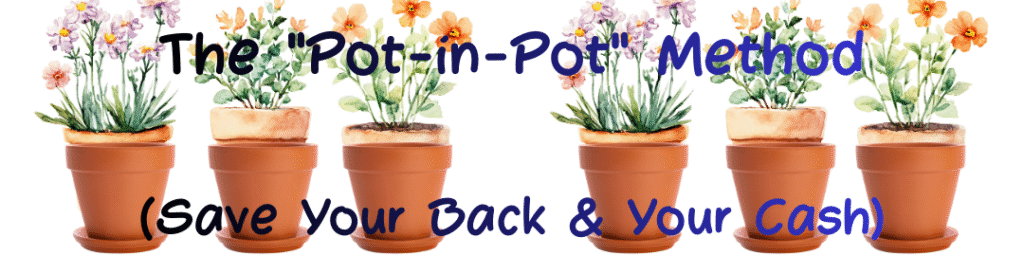
5. The “Pot-in-Pot” Method (Save Your Back & Your Cash)
One of the biggest pains of urban living is storage. Where do you put a giant ceramic pot in the summer if you only want it for winter? Or how do you stop your fancy pots from cracking when the wet soil freezes?
The Secret: Don’t plant directly into the decorative pot. Plant your flowers in a cheap plastic nursery pot that fits inside your decorative outer pot.
The Grandma Hack: Speaking of decorative pots, if you haven’t seen the ones at Walmart, you are missing out. They look exactly like high-end, heavy ceramic or concrete, but they are lightweight resin. This means they won’t crack in the frost, and you won’t throw out your back moving them when the kids decide the patio is now a soccer field.
The Soil Hack: Grandpop made his own compost, but I barely have time to make dinner. I use Rosy Soil for my container plants. It’s an “Earth Positive” potting mix made with biochar that captures carbon. It basically creates a “living soil” ecosystem in your pot, which helps these winter plants survive the stress of the cold. Plus, it’s peat-free, so I feel like I’m doing my part for the planet while I’m at it.
Grandpop’s Way
Potting Mix Finder
6. Forage Like a Squirrel (The $0 Budget Tip)
This is my favorite tip because it’s free. To bulk up your winter containers without buying more plants, go for a walk. Collect pinecones, interesting twigs, or clippings from evergreen trees.
I actually keep a cheap pair of floral snips or pruning shears in my glovebox just for roadside foraging opportunities—don’t judge! You can also snip branches off the bottom of your Christmas tree before you toss it. Jam these branches into the soil between your Pansies. It adds height and texture instantly. I recently made a “winter urn” using absolutely nothing but foraged greens and a few birch logs I found. Total cost: $0. Total dopamine hit: Priceless.
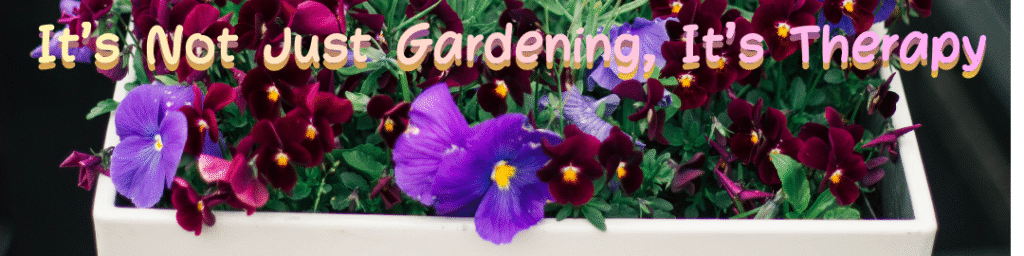
7. It’s Not Just Gardening, It’s Therapy
Let’s be real: February is hard. The gray skies can really do a number on your mental health. Research actually shows that just looking at plants can lower cortisol levels and fight Seasonal Affective Disorder.
When I step out onto the porch to water my little patch of Violas (on the days it’s above freezing, of course), I’m not just gardening. I’m taking five minutes to breathe. I’m connecting with the earth in the middle of the city concrete. I’m remembering Grandma.
So, go get your hands dirty. You don’t need a huge yard or a huge budget. You just need a pot, a bag of soil, and the audacity to bloom in winter.
For more tips on growing beautiful things in small spaces, check out our Blog, to learn many more tips and tricks.
Leave a Reply